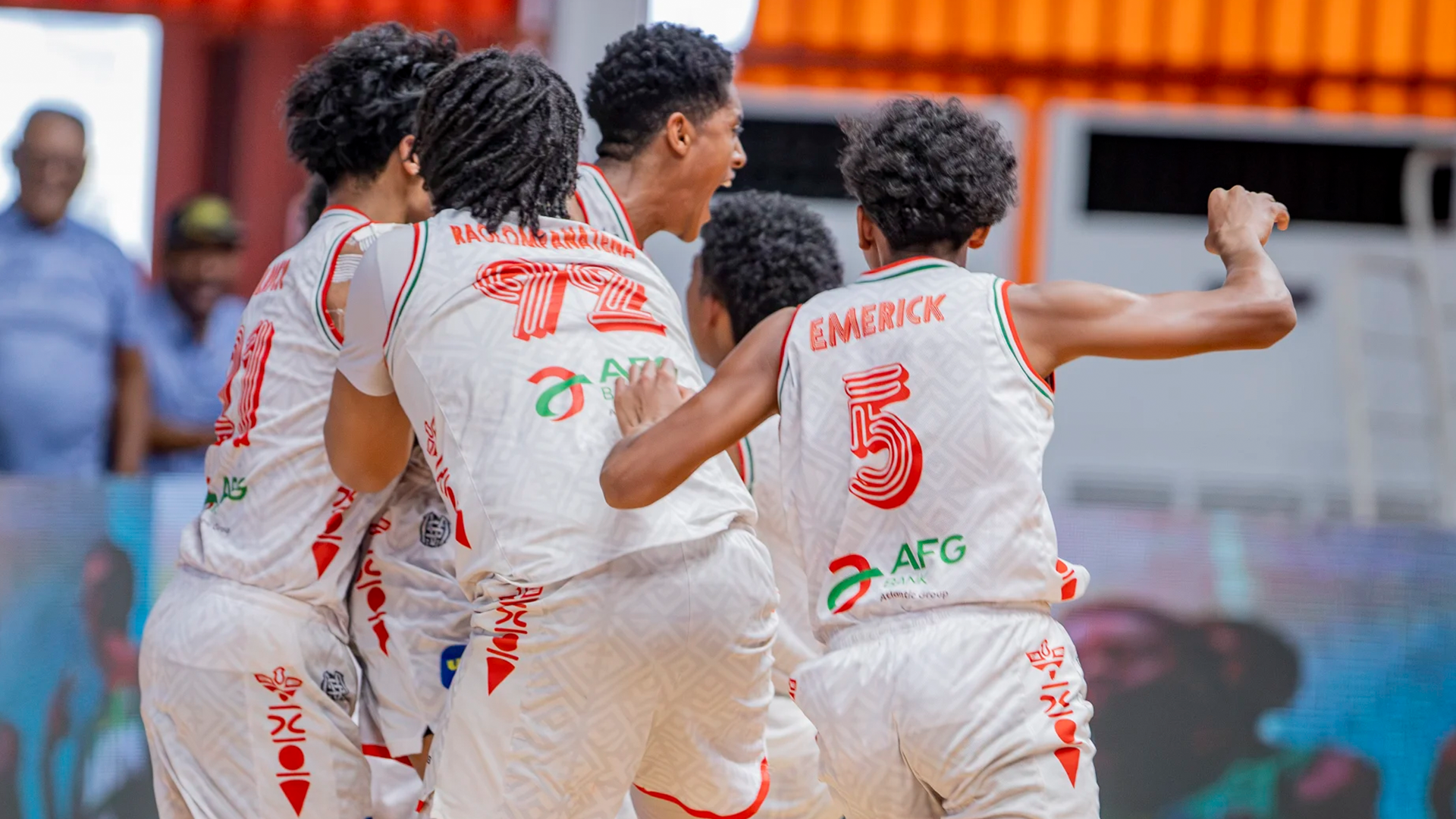
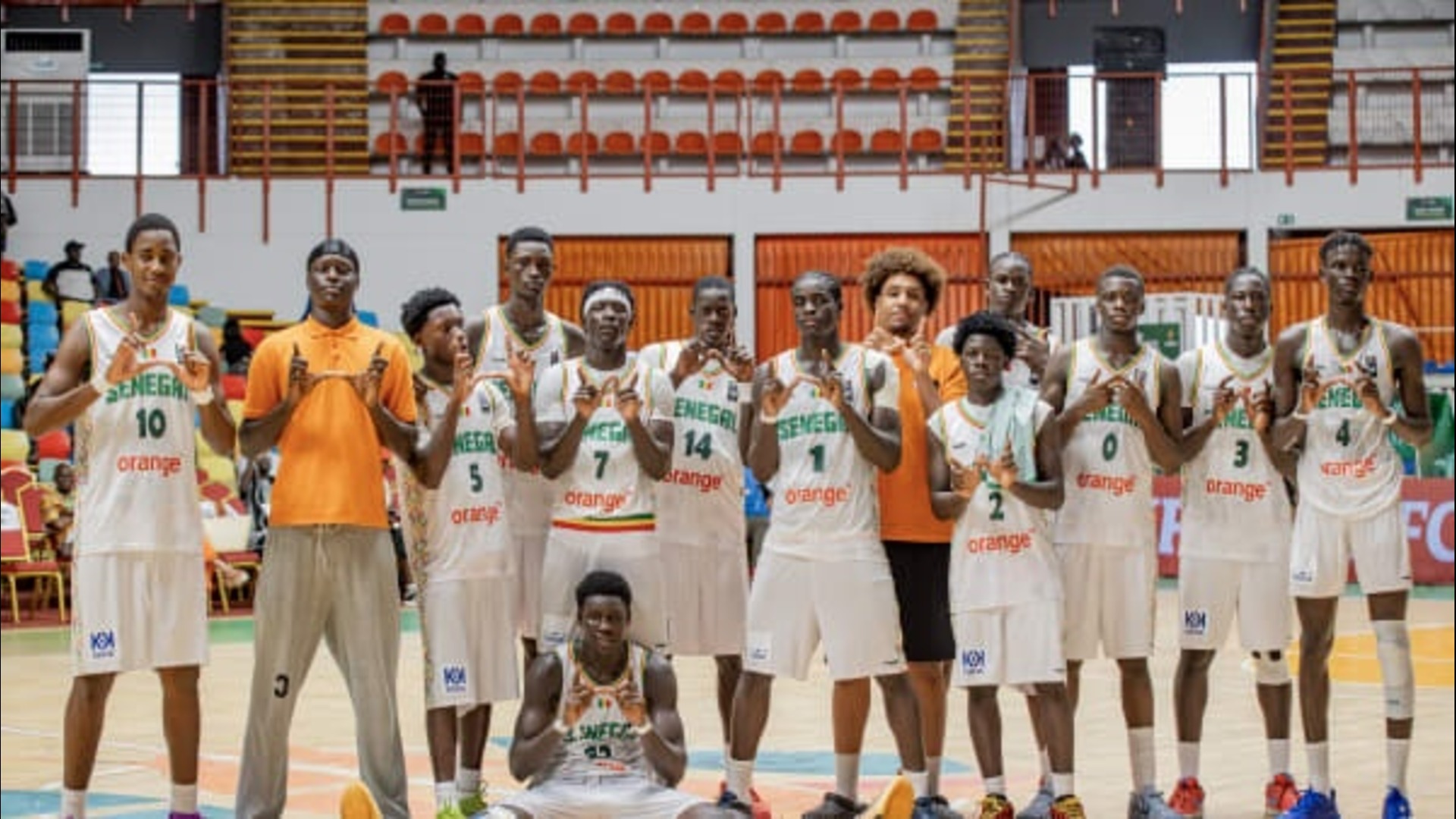
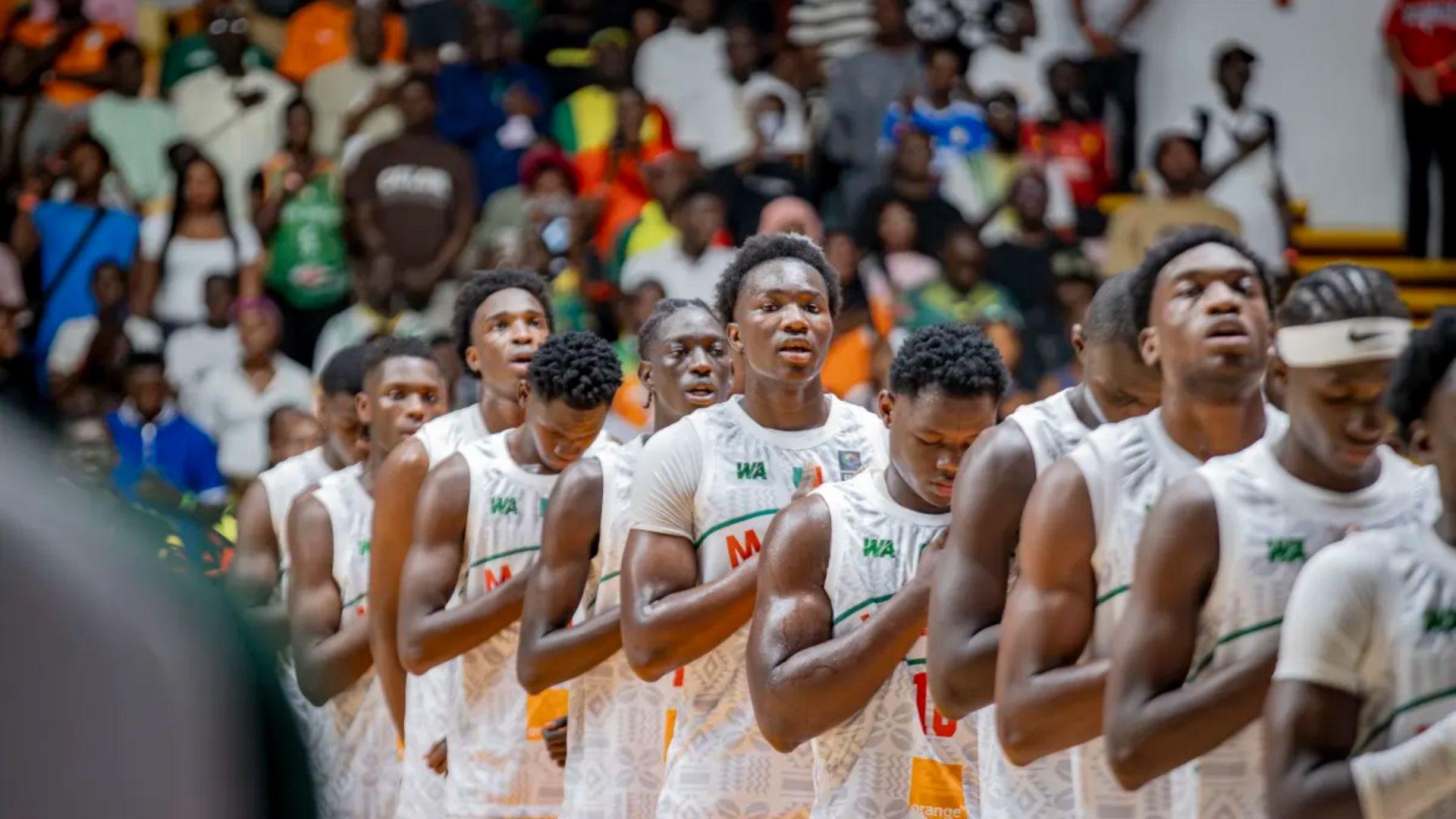
Two days after their loss to Côte d’Ivoire, Senegal bounced back emphatically in Dakar, overwhelming Madagascar 99-66. Brancou Badio’s leadership orchestrated a dominant performance, combining defensive intensity, balanced scoring, and precise team execution.
Last Updated on
March 1, 2026
.jpg)
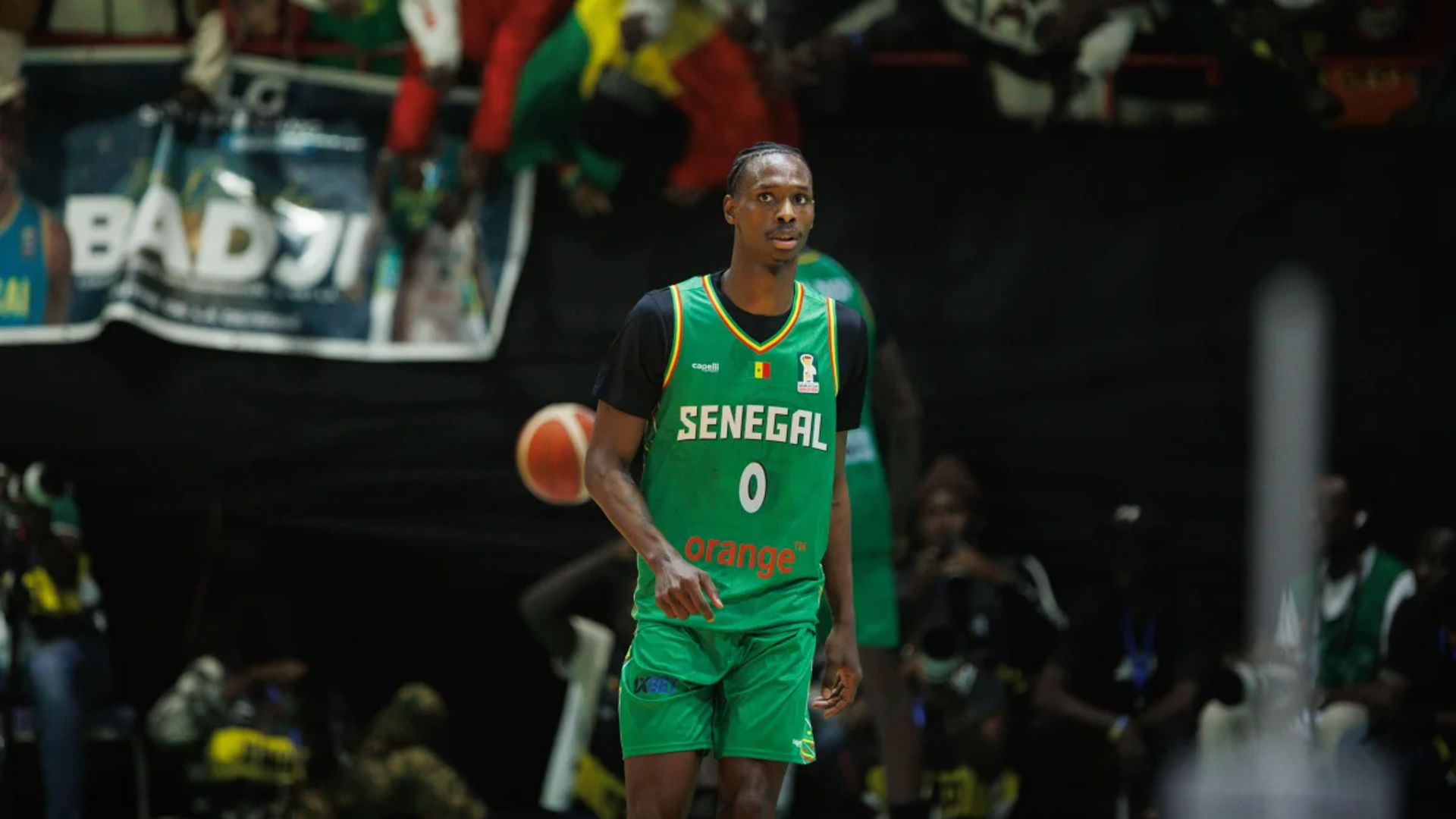
Two days after walking off the floor frustrated by a loss to Côte d'Ivoire, Senegal returned to the court in Dakar with urgency and clarity. The response was emphatic. A 99-66 dismantling of Madagascar not only revived their Group B campaign but also underscored the influence of Brancou Badio as the conductor of a team that looked rebalanced, sharper, and far more connected.
For nearly 14 minutes, the contest refused to tilt decisively. Madagascar, composed and opportunistic, nudged ahead twice and matched Senegal's possession for possession. There were 12 lead changes in total, a reflection of an opening stretch that felt far tighter than the final margin would suggest. When Madagascar moved in front 29-26 midway through the second quarter, the home crowd at Marius Ndiaye grew restless.
That tension lasted only seconds.
Badio answered with a pull-up three to level the score at 29-29. It was not merely a shot; it was a signal. From that moment, Senegal shifted into a different gear. Defensive pressure intensified at the point of attack, passing lanes closed, and the floor opened in transition. Over the next several minutes, the Lions produced a devastating surge, overwhelming Madagascar with pace and precision.
What followed was a sequence that effectively decided the outcome before halftime. Senegal tore through a 20-0 burst, part of a wider 25-1 avalanche, fueled by suffocating defense and clinical finishing. They converted 10 of 12 field-goal attempts during that span and forced eight turnovers, repeatedly turning live-ball steals into points. By the break, a fragile three-point deficit had transformed into a commanding double-digit cushion.
At the center of it all was Badio. Arriving late to the window after missing the opener, he assumed control of rhythm and spacing. His 21 points came efficiently—8-of-16 from the field, including five three-pointers—and many landed at pivotal junctures. Beyond scoring, his command of tempo steadied Senegal's half-court execution. He probed, kicked out to shooters, attacked closeouts and ensured the ball rarely stagnated.
Yet this was not a one-person display. Jean Jacques Boissy injected volatility on the perimeter, blending 17 points with six steals and relentless activity in passing lanes. His plus-minus—an eye-catching +36—captured how dramatically the game swung during his minutes. Babacar Sane thrived in the open floor, adding 12 points and exploiting defensive breakdowns once Madagascar began scrambling.
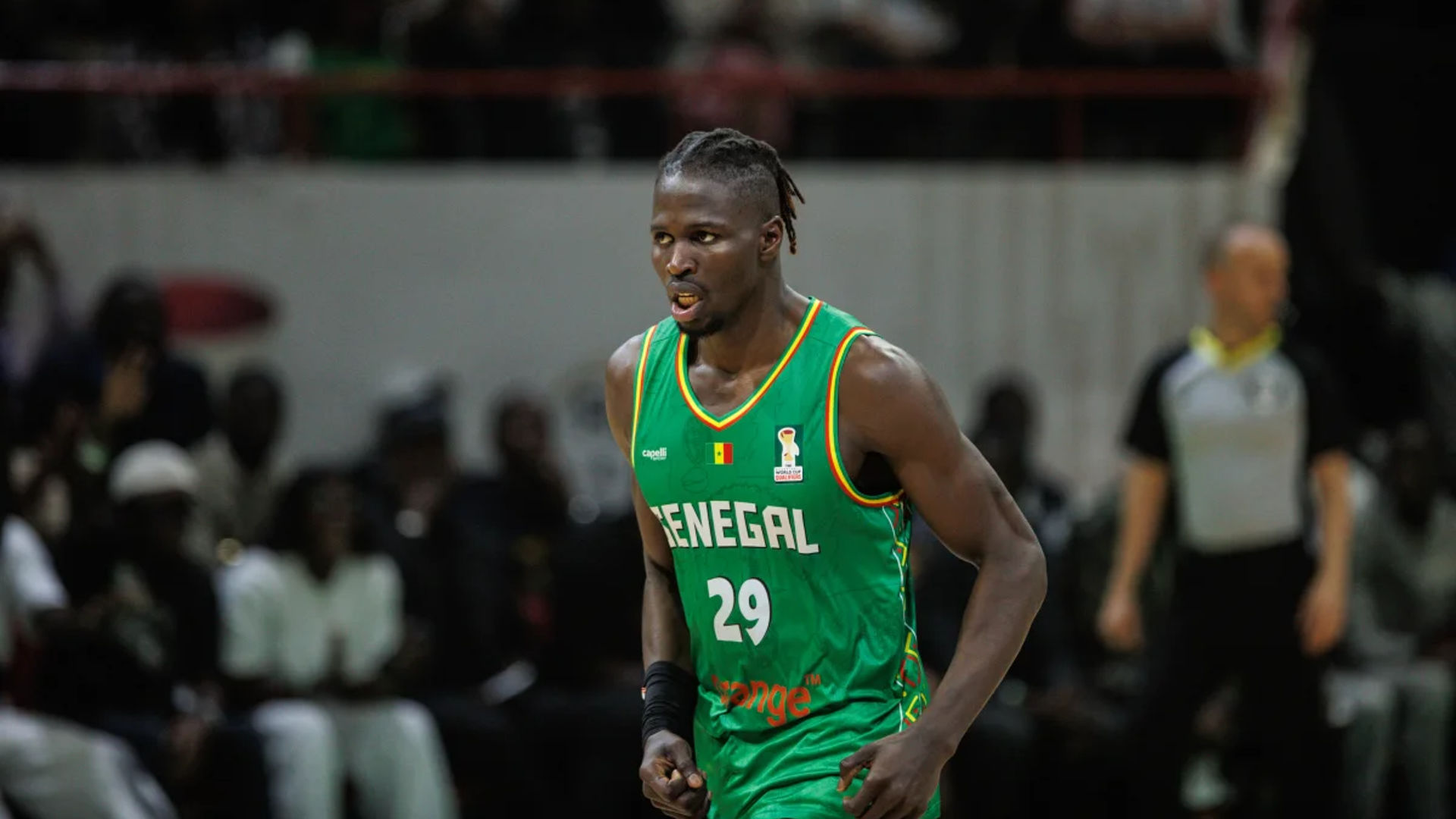
Inside, Gora Camara provided structural dominance. He controlled the glass, finishing with nine rebounds and asserting himself physically in the paint. His presence deterred drives and secured second chances, allowing Senegal to dictate the interior battle. Moustapha Diop quietly orchestrated from the wings, contributing across categories without a single turnover—a testament to disciplined ball movement.
Madagascar, for their part, showed early resolve. Kiady Mijoro Razanamahenina offered efficiency from the line and kept the offence afloat in stretches. But once Senegal tightened its defensive screws, options narrowed. The Lions closed the third quarter having forced 20 turnovers and accumulated five blocks as a unit. Passing windows shrank; dribble penetration stalled. By the time the fourth quarter began, the gap had widened beyond practical reach.
.jpg)
Senegal’s largest advantage swelled to 40 points midway through the final period. The scoreboard read 91-51 at one stage, an illustration of how comprehensively momentum had flipped from the precarious 29-29 tie earlier. Madagascar managed a brief late run, trimming the deficit marginally, but the competitive tension of the opening half had long evaporated.
Statistically, the defensive metrics told the deeper story. Fifteen steals and 32 defensive rebounds translated into extended possessions and transition opportunities. The second-quarter stretch was emblematic: pressure at the point of attack led to hurried decisions, and hurried decisions fed Senegal’s fast break. What began as a tactical adjustment became a psychological shift. Confidence surged on one bench and drained from the other.
More importantly, the cohesion that seemed absent days earlier reappeared. Ball reversals were sharper, helping rotations more synchronised. Badio’s influence radiated beyond his scoring line; he calibrated spacing and encouraged collective discipline. The offence flowed through reads rather than forced actions.
With one game left in the opening window, Senegal appears recalibrated. The defeat to Côte d’Ivoire now feels like a catalyst rather than a setback. Against Madagascar, they did not simply win—they reasserted identity. Under Badio’s stewardship, the Lions rediscovered their roar, turning a fragile contest into a statement performance that reverberated across Group B.
[Photography Courtesy of FIBA]

.jpg)