BAL President announces that as season 6 nears tips off, the BAL is no longer just a league—it’s a continental statement of confidence, culture, and world-class ambition. From Pretoria to Kigali, African basketball isn’t chasing the global stage anymore, it’s building one of its own.
Last Updated on
July 14, 2026
When the ball goes up at the SunBet Arena in Pretoria on March 27, it won’t just signal the start of another basketball season—it will mark the next chapter in a fast-rising African sports movement.
The President of the Basketball Africa League (BAL), Amadou Gallo Fall has announced that season six will tip off with more ambition, broader reach, and deeper cultural impact than ever before. From South Africa to Morocco and ultimately Rwanda, the 2026 BAL season will once again turn the continent into a connected basketball corridor, uniting cities, fans, and cultures through the rhythm of the game.
In an online press conference that brought some of the continent’s leading journalists, the BAL supremo highlighted the strides accomplished by the league on the continent, highlighting the vibrant ecosystem that’s become a major spinoff of the tournament.
.jpg)
“The BAL will continue to do more for the growth of African basketball,” BAL President Amadou GalloFall said, adding “We want to build this competition into one of the best leaguesin the world. What gives us the confidence that we can achieve this is theamazing talent we have on the continent.”
“We take pride in seeing how the tournament brings together elite basketball talent acrossworld class facilities on the continent. Over the past five seasons, the BALhas continued to elevate the standard of basketball on the continent, expandingopportunities for players, coaches and officials, driving global recognitionfor the sport on the continent.” BAL President Amadou Gallo Fall.
“We’re looking at a new format and it’s where we want to head to in the next phase of the BALwith more permanent teams and getting a higher concentration of games in worldclass buildings. But the league is not going to be closed. We are looking forward to continuing to showcase the African culture and its vibrancy, being the meeting point between sports and culture.”
Twelve of Africa’s top club teams, representing 12 countries, will battle across 42 games for continental supremacy. But as the BAL has proven since its inception, the story goes far beyond wins and losses. This is about visibility, opportunity,and a new generation of African basketball talent stepping confidently onto the global stage.
The journey begins in Pretoria, where the Kalahari Conference will set the tone from March 27 to April 5. Six teams, one conference, and 15 high-stakes games with each matchup a test of depth, discipline, and desire. From there, the spotlight shifts north to Rabat, where the Sahara Conference takes over the iconic Prince Moulay Abdellah Sports Complex from April 24 to May 3. Different city, different energy, same intensity.
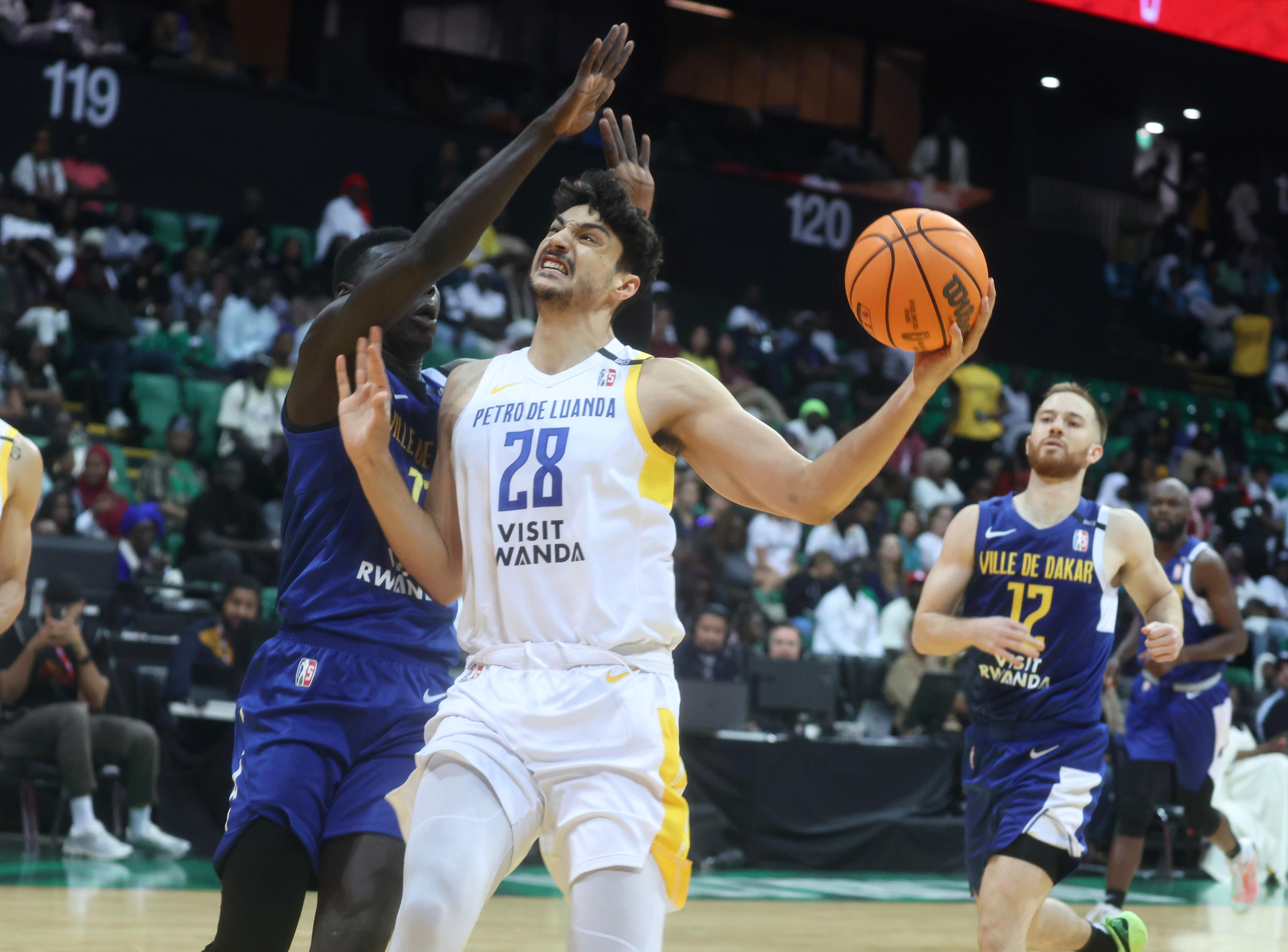
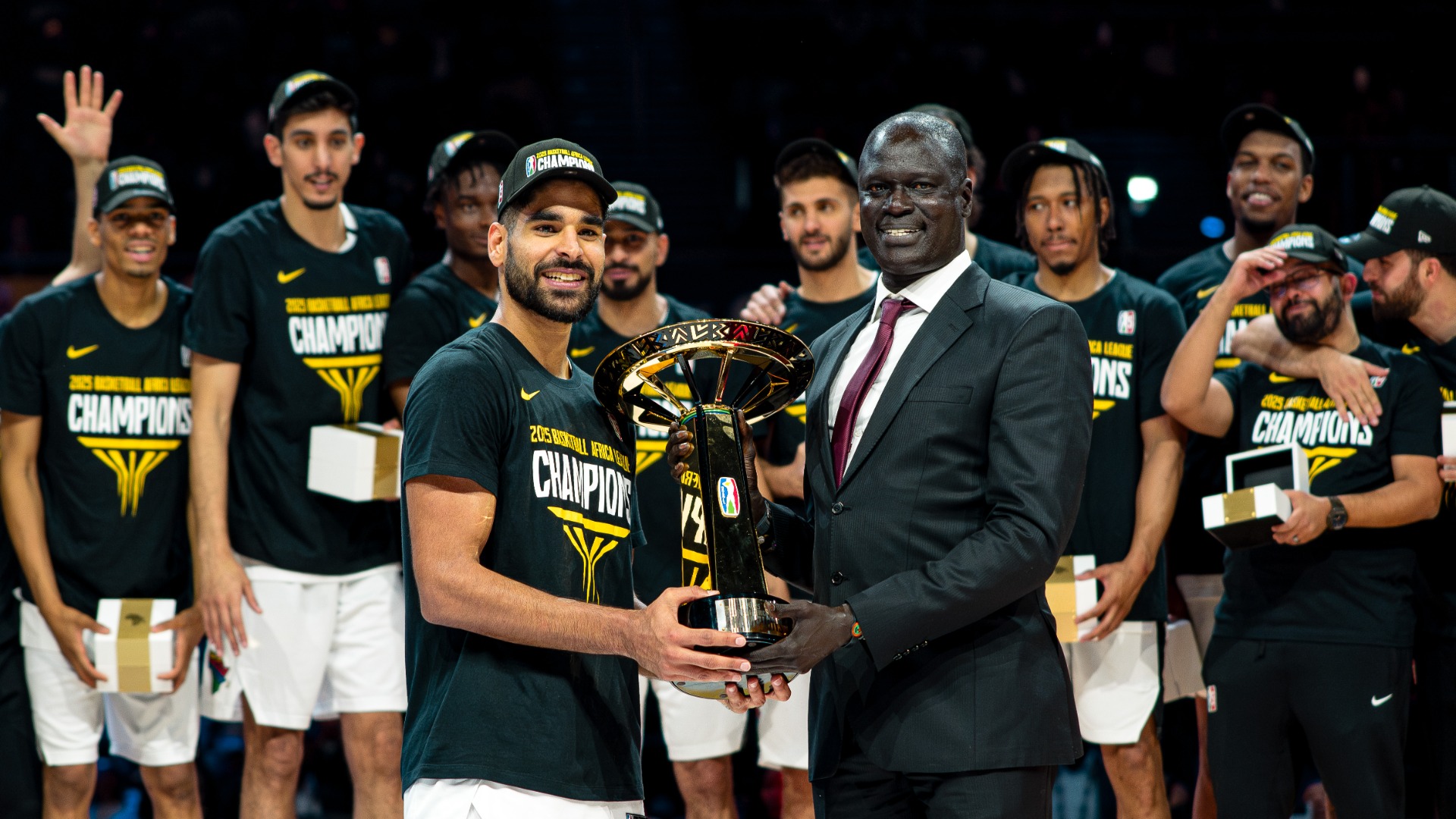
Only eight teams will survive the group phase and earn a ticket to Kigali, where the season will reach its dramatic climax. From May 22 to May 31, Rwanda’s BK Arena will host the BAL Playoffs and Finals, a stage that has quickly become sacred ground for African basketball dreams. On May 31, a champion will rise, adding a new name to a growing legacy that already includes winners from Angola, Egypt, Tunisia, and most recently, Libya’s Al Ahli Tripoli.
For BAL President Amadou Gallo Fall, returning to South Africa, Morocco, and Rwanda is both intentional and symbolic. These are markets where basketball is growing fast, fan culture is deepening, and young players are watching closely, seeing what is possible. The BAL, he says, is not just inspiring fans, but opening doors and creating global recognition for African talent.
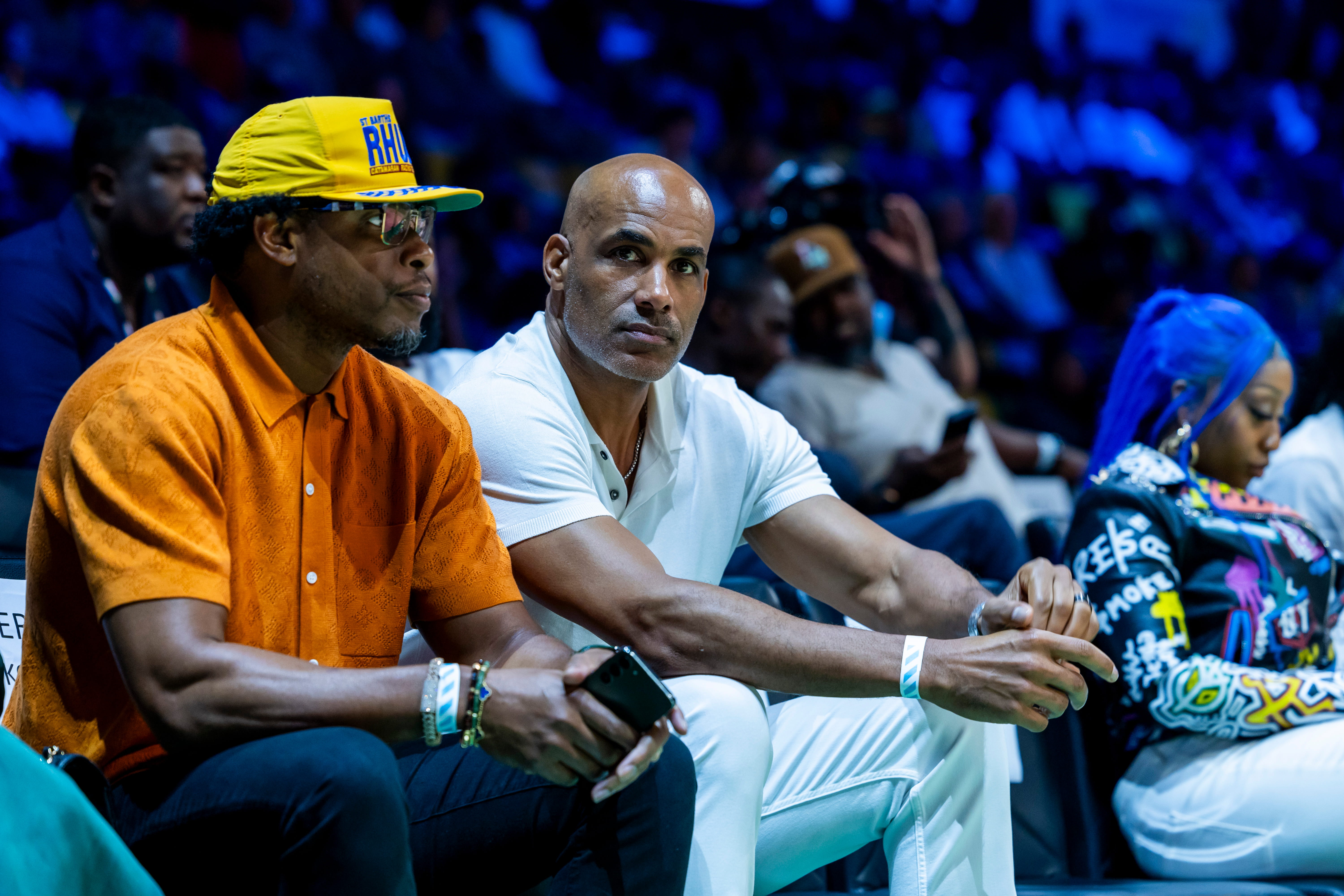
That vision is echoed by FIBA Africa President Anibal Manave, who points to the league’s expanding influence and the importance of the Road to the BAL as a true pathway that strengthens domestic competition and gives clubs across the continent something tangible to chase.
Off the court, the BAL experience remains unmistakably African. Music, fashion, lifestyle, and entertainment will again surround the games, with celebrities and influencers amplifying the league’s cultural pulse. Beyond the lights and noise, the BAL’s impact continues through youth development, coaching and referee clinics, literacy and education programs, and BAL4HER, an initiative designed to advance gender equality and empower young women within the African sports ecosystem.
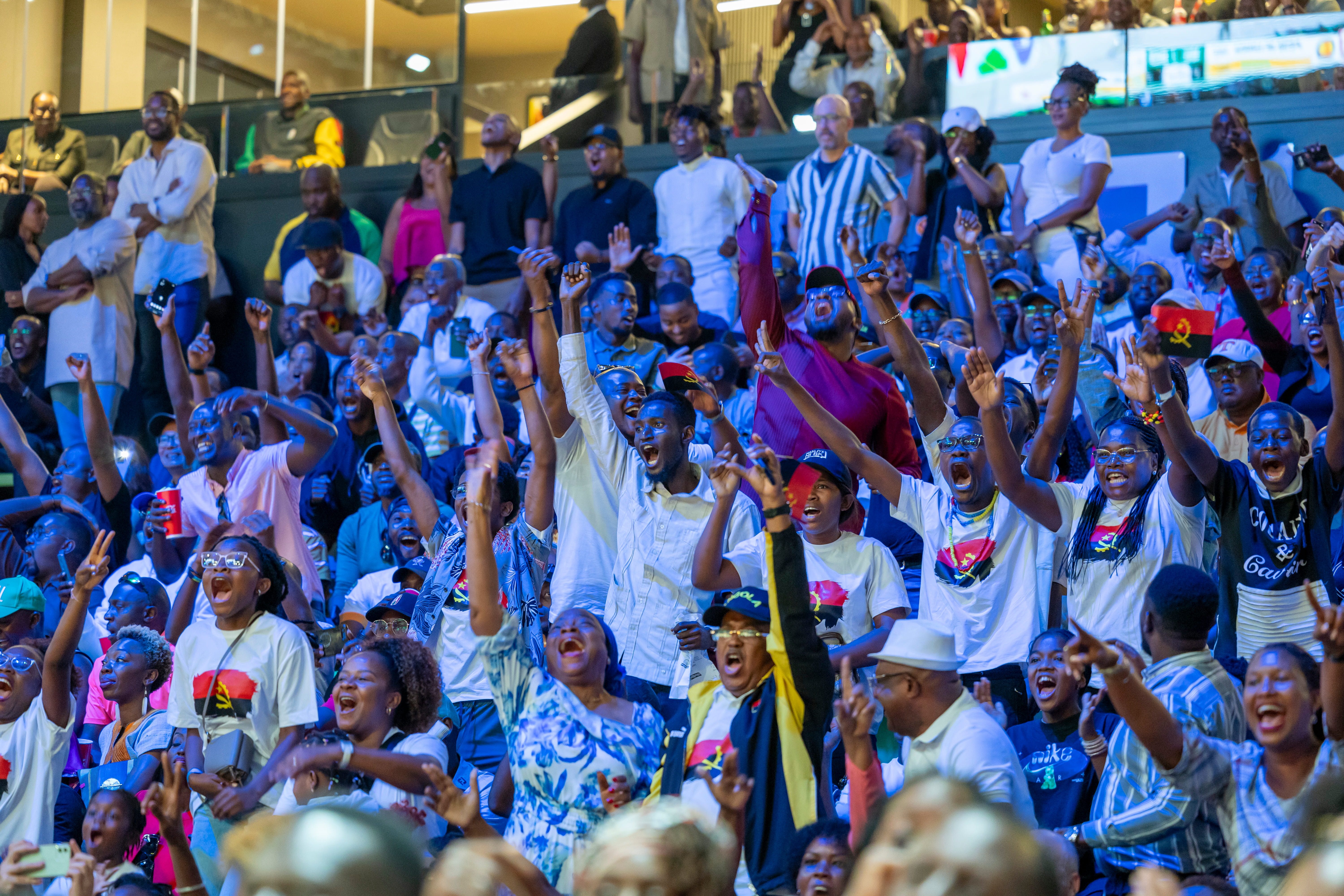
The numbers tell part of the story. The 2025 season reached fans in 214 countries and territories, in 17 languages, set a new attendance record of over 140,000 fans, and generated more than 1.2 billion social media impressions.
But the real measure of success is harder to quantify: belief. Belief from players who now see a future at home. Belief from fans who pack arenas across the continent. Belief that African basketball belongs on the world stage because it always has.
(Photography courtesy of BAL)

.jpg)