Beaten once, tested again, APR refused to leave Cairo empty-handed. In a tense WBLA third-place clash decided in overtime, discipline, belief and timely execution allowed the Rwandan side to flip the script against ASC Ville de Dakar.
Last Updated on
December 21, 2025
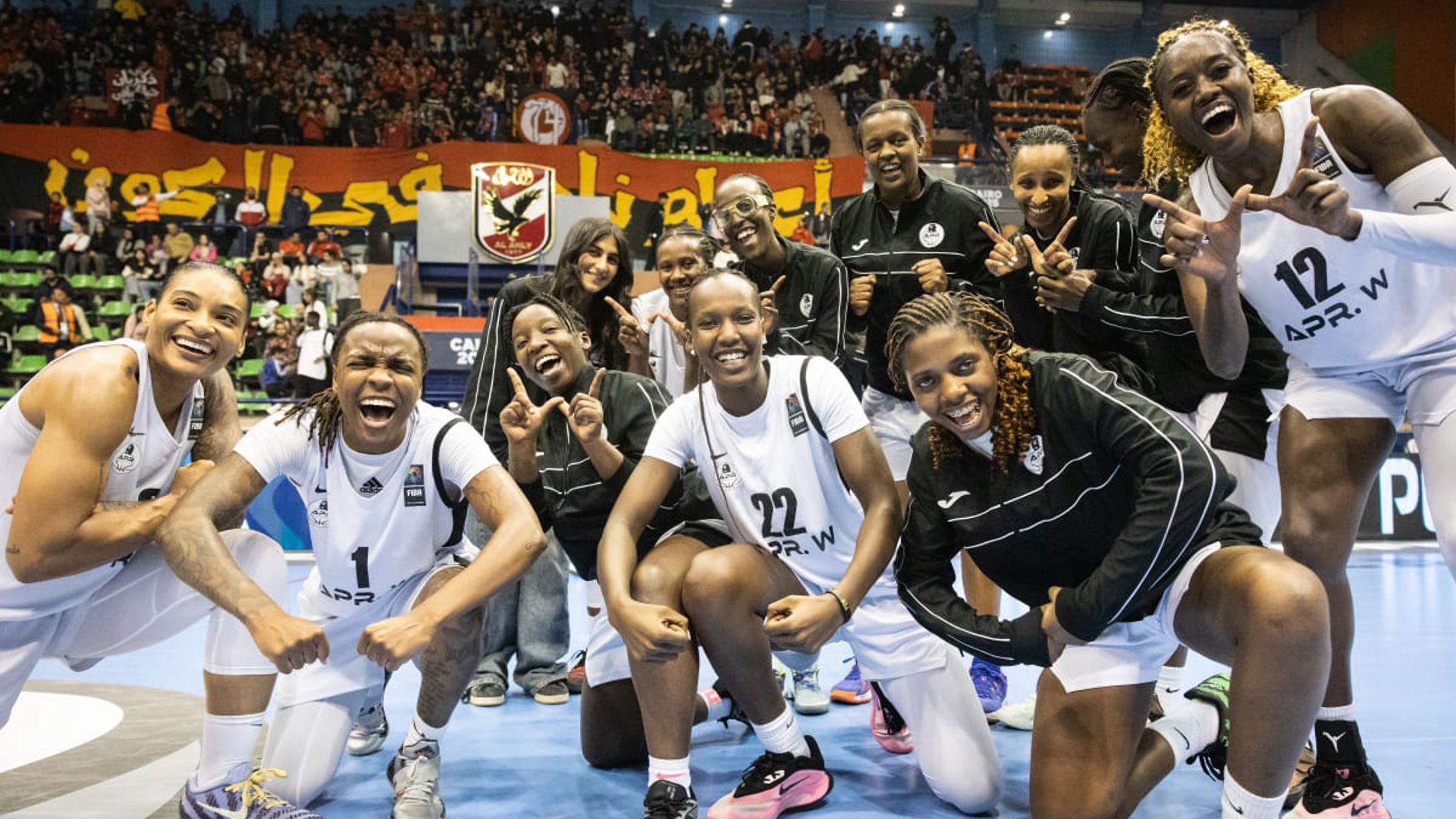
The third-place game at the Prince Abdallah Al Faisal Sports Hall was never going to be just another classification match. For APR and ASC Ville de Dakar, it was personal. Two days earlier, on Game Day 2, ASCVD had imposed their rhythm and emerged victorious. This rematch carried the weight of unfinished business, pride, and the final opportunity to leave Cairo with something tangible.
APR stepped onto the hardwood knowing they had no margin for error. ASCVD, deeper and more explosive from the bench, had already proven they could punish any lapse. And early on, the Senegalese side looked determined to repeat history. They edged the first quarter 26–24, then stretched the lead slightly in the second, leaning on their interior presence and transition game to take a 48–42 halftime lead.
Dakar did what they do best. They ran. They attacked the paint relentlessly. They generated points from their bench and forced APR to defend multiple actions on every possession. Julie Dacosta was clinical, efficient in her decisions and assertive around the rim. Ndoumbe Mbodj controlled the glass, anchoring the paint and giving ASCVD extra possessions that translated into confidence.
APR, however, never unravelled. Even as ASCVD piled up points in the paint and enjoyed contributions across the roster, the Rwandan champions stayed within striking distance, leaning heavily on their leaders to keep the game from slipping away.
The turning point came after halftime.
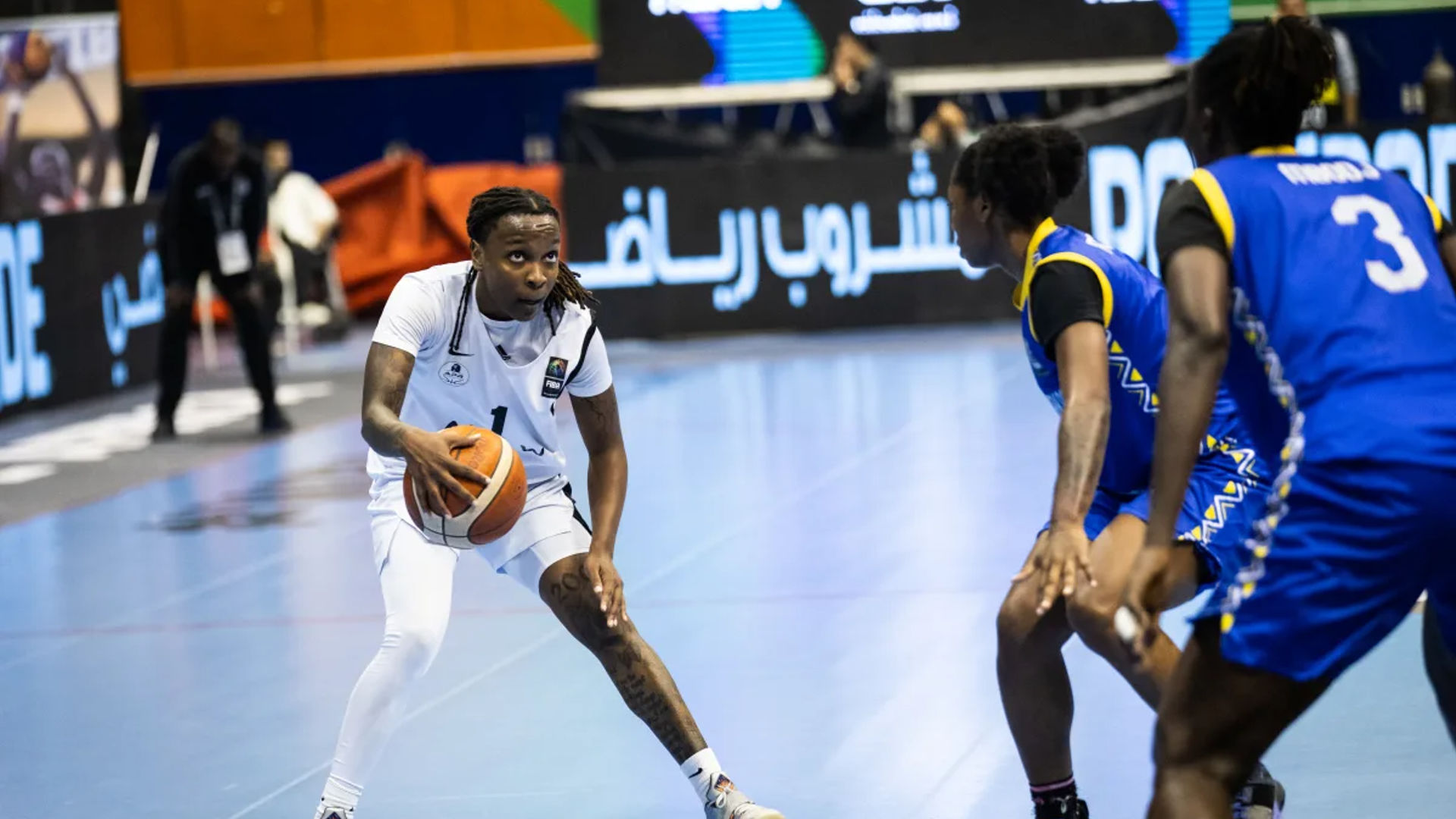
APR emerged from the locker room with a different posture, more vocal, more connected, and sharper in execution. The third quarter became the battleground where the momentum shifted. Destiney Philoxy took control, scoring from deep, attacking off the dribble, and repeatedly answering ASCVD runs. Each basket felt like a statement, each possession an act of defiance.
APR won the third quarter 26–21, erasing the deficit and setting up a tense final period. The game slowed. Every cut, every screen, every defensive rotation carried weight. ASCVD continued to pound the ball inside, but APR began to read the actions better, staying disciplined and trusting their help defence.
The fourth quarter was raw and exhausting. Neither side could find separation. Shots were contested, bodies collided, and fatigue crept into every movement. APR edged the frame 16–15, enough only to force overtime, but significant enough to show that the balance of belief had shifted.
Overtime was brief, brutal, and decisive.
APR needed just one minute to seize control. A defensive stop. A transition opportunity. A confident finish. Then another. And another. ASCVD, suddenly out of answers, could not respond. APR closed overtime on a 6–0 run, sealing a 90–84 victory that felt larger than the scoreboard suggested.
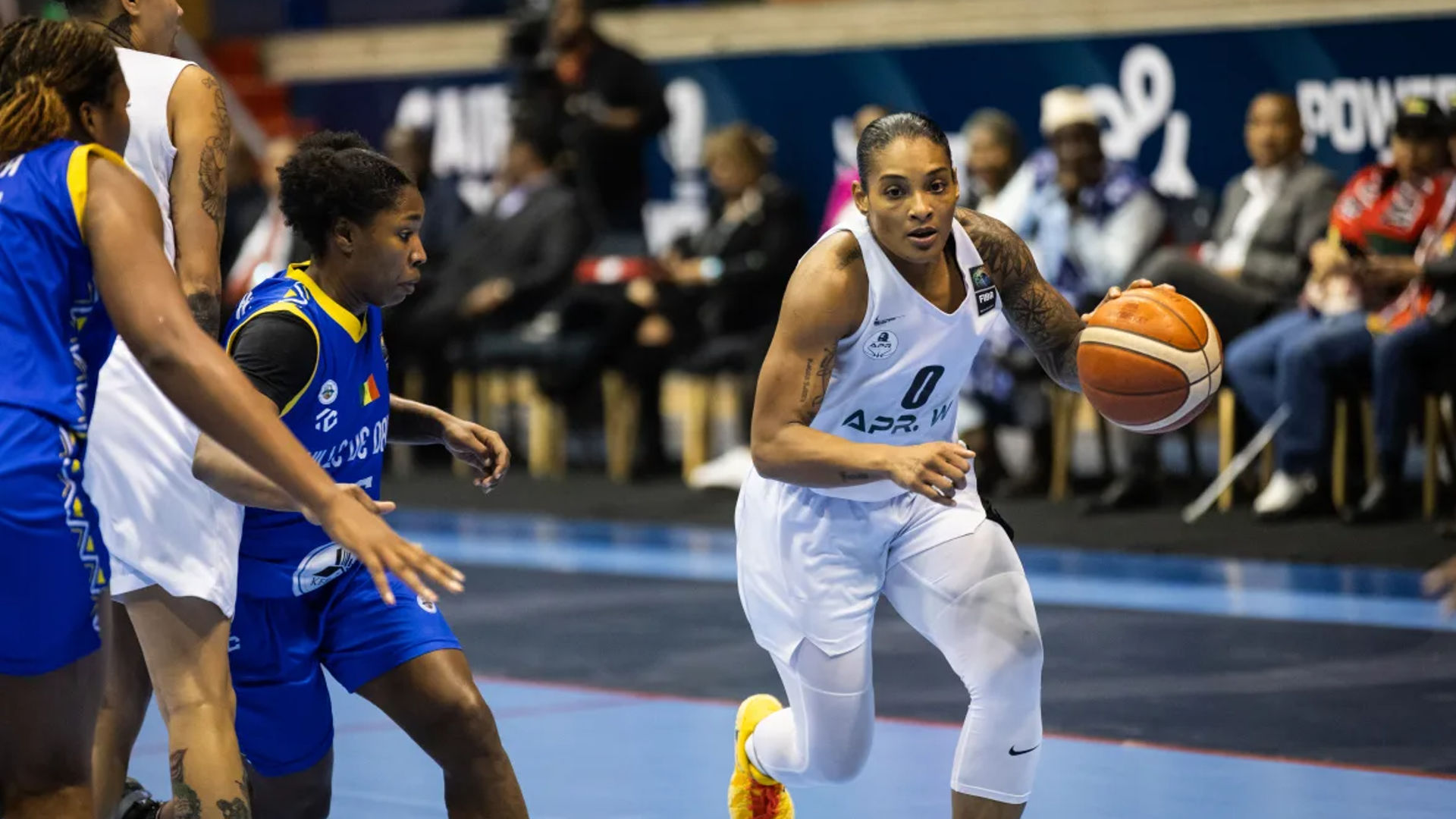
At the heart of it all was Destiney Promise Philoxy. Playing nearly the entire game, she delivered a masterclass in composure and shot-making, finishing with 31 points and orchestrating APR’s offence when clarity was most needed. Whether pulling up from beyond the arc or attacking gaps, she was the constant in APR’s storm.
She was not alone. Italee Lucas provided stability and balance, contributing across the board and anchoring APR during critical stretches. Yacine Diop and Assouma Uwizeye brought energy, toughness, and timely scoring. At the same time, Kierstan Bell, despite a quiet shooting night, made her presence felt through leadership, defence, and poise in the biggest moments.
After the final buzzer, Bell put words to what the night represented for APR.
“This game was pretty good. The first game, we lost to them so I think it felt good to get our game back. But we played really well together. Everybody contributed. It was a team win.”
Her emphasis on togetherness echoed what unfolded on the floor. APR did not dominate the paint. They did not win the bench battle. They did not control the transition. What they did was execute when it mattered most.
Bell also highlighted the moment that changed the contest's tone.
“The coach got on us a little bit at halftime. But we held our composure. We went in there and we executed. And we won, so that's all you can ask for.”
Execution, more than emotion, defined APR’s response. They talked. They adjusted. They trusted the plan.
“We just had to talk. When you go into the huddle you have to talk about it. So that's what we did. We harped on it. Went out there and did better.”
For ASC Ville de Dakar, the disappointment was evident. Their physicality, depth, and interior dominance had put them in position to win. But basketball, at this level, often hinges on the smallest margins, one rotation missed, one possession wasted, one overtime stretch gone wrong.
Bell summed up the mindset APR carried into the game, one rooted not in revenge, but in responsibility.
“We were not fighting for first place, but for third. So we went out there and played with our heart and energy. That's what everybody did.”
In the end, APR left Cairo with more than bronze. They left with validation, proof that resilience, communication, and belief can tilt even the tightest battles. ASC Ville de Dakar walked away empty-handed but unbroken, knowing they were inches away.
For APR, this was not just a win. It was closure.
[Photography Courtesy of FIBA]