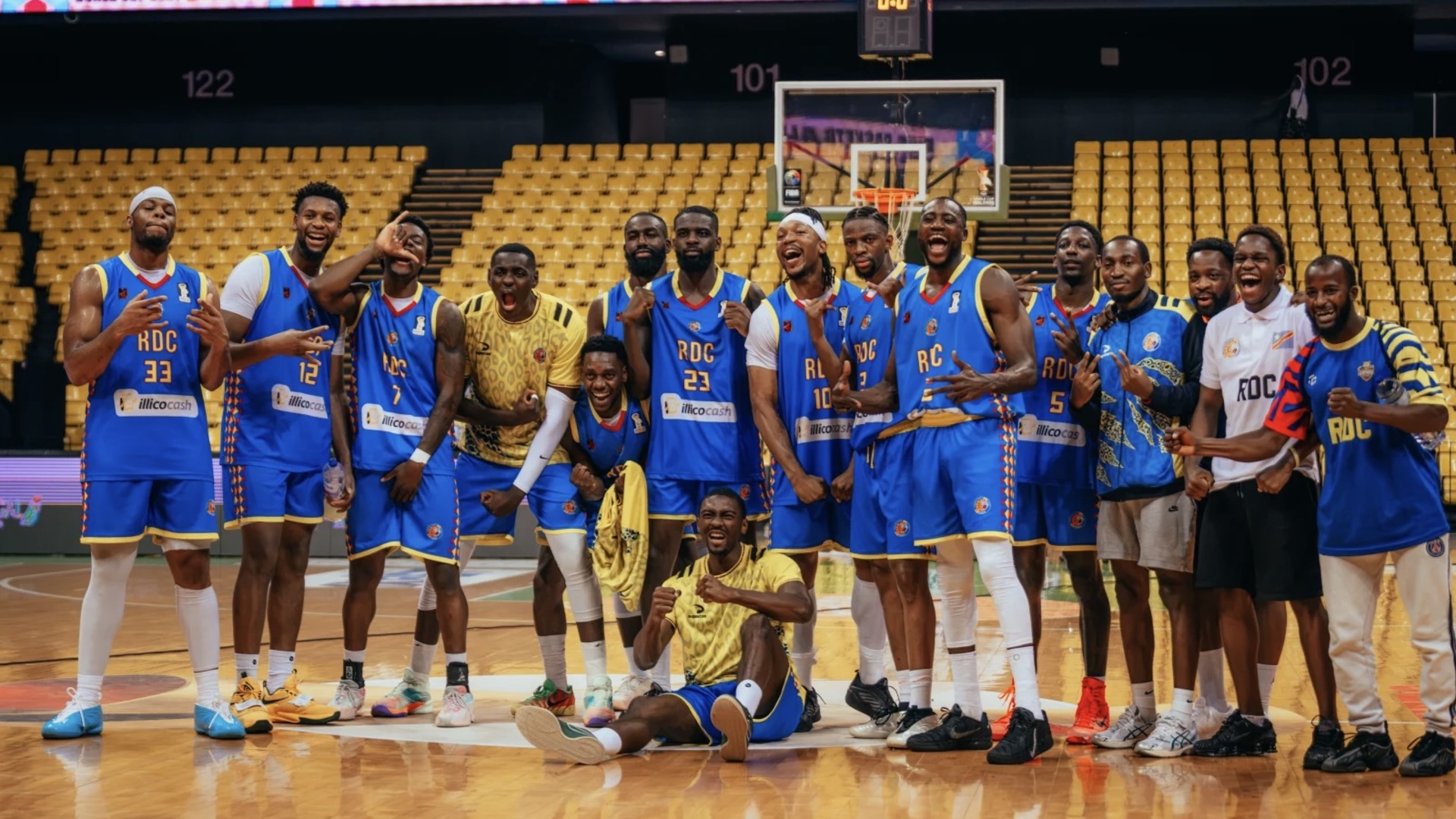
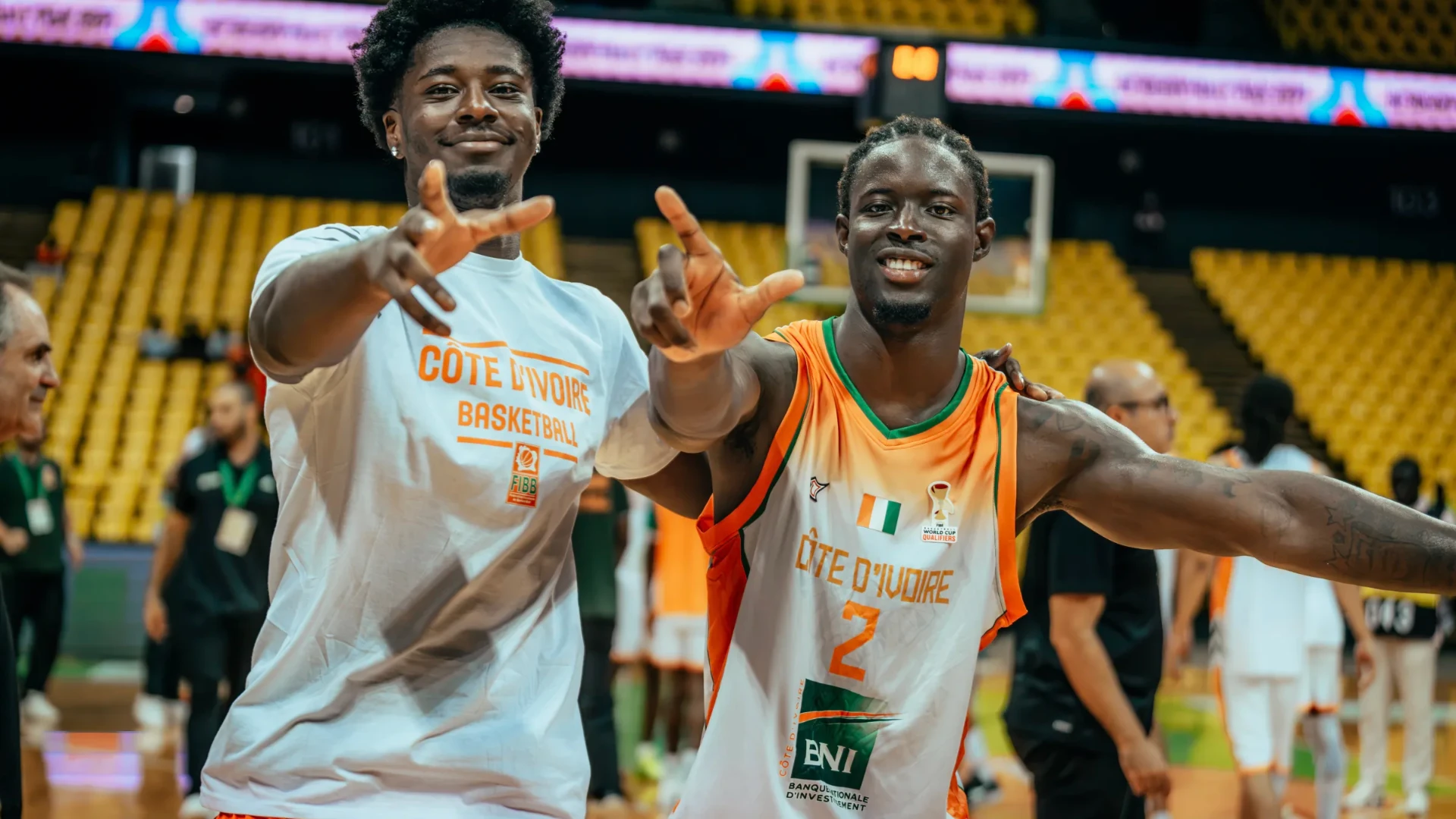
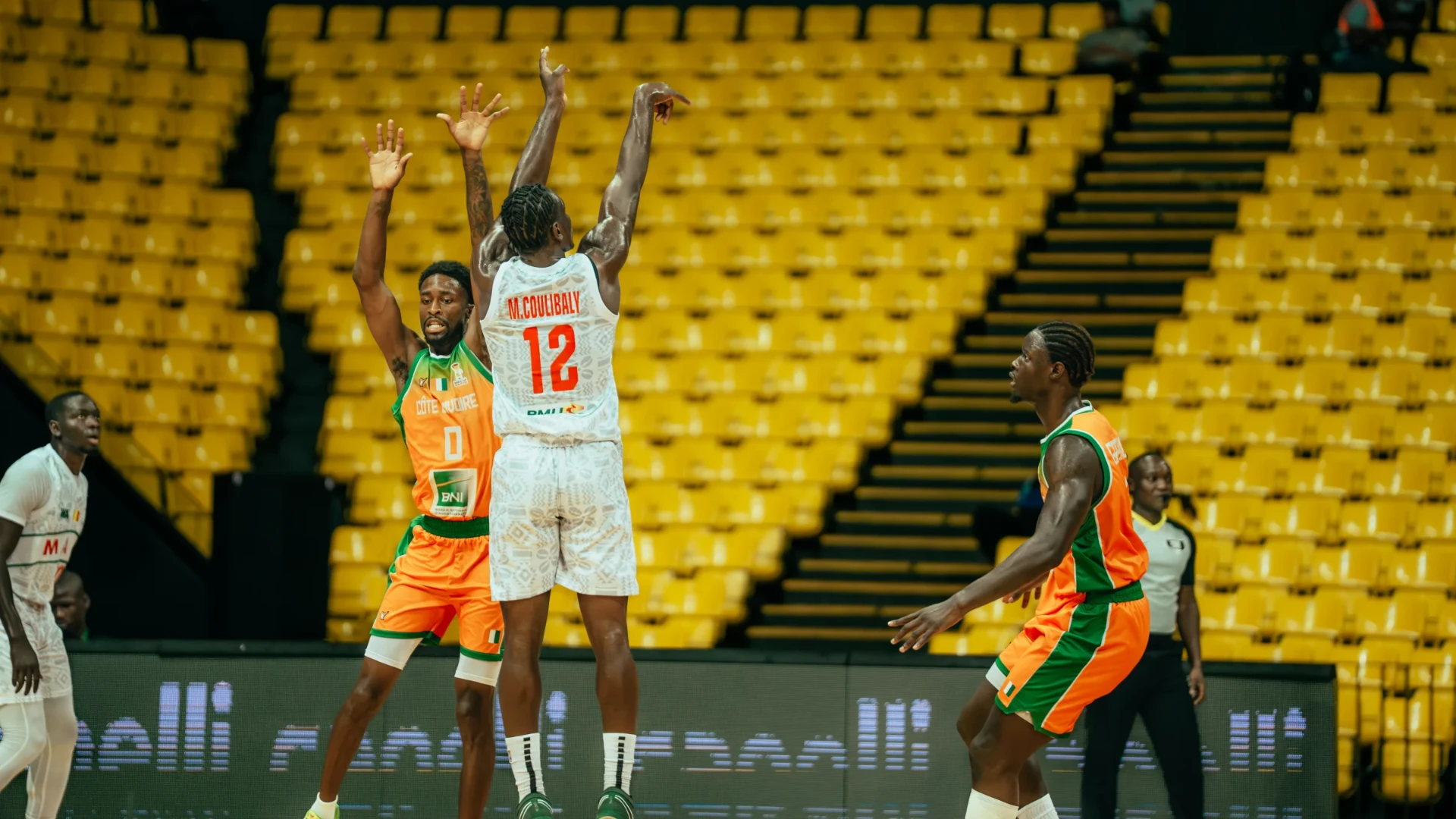
Côte d’Ivoire stormed past DR Congo 96-59 in Dakar during the FIBA Basketball World Cup 2027 African Qualifiers, using a decisive second-quarter 13-5 surge to seize control. Nisre Zouzoua and Jean Philippe Dally led a dominant, defensively ruthless Group B performance.
Last Updated on
March 1, 2026
.jpg)
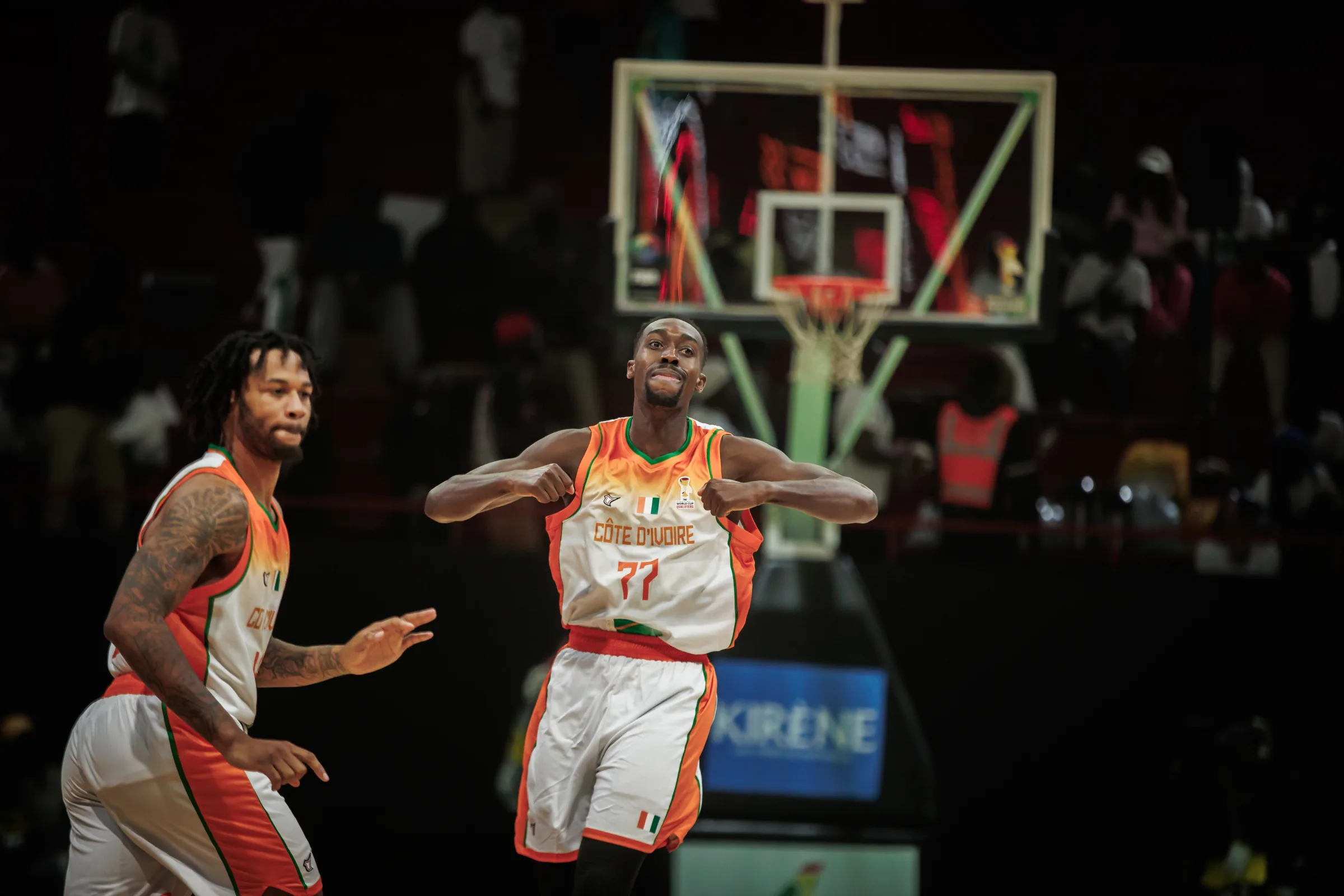
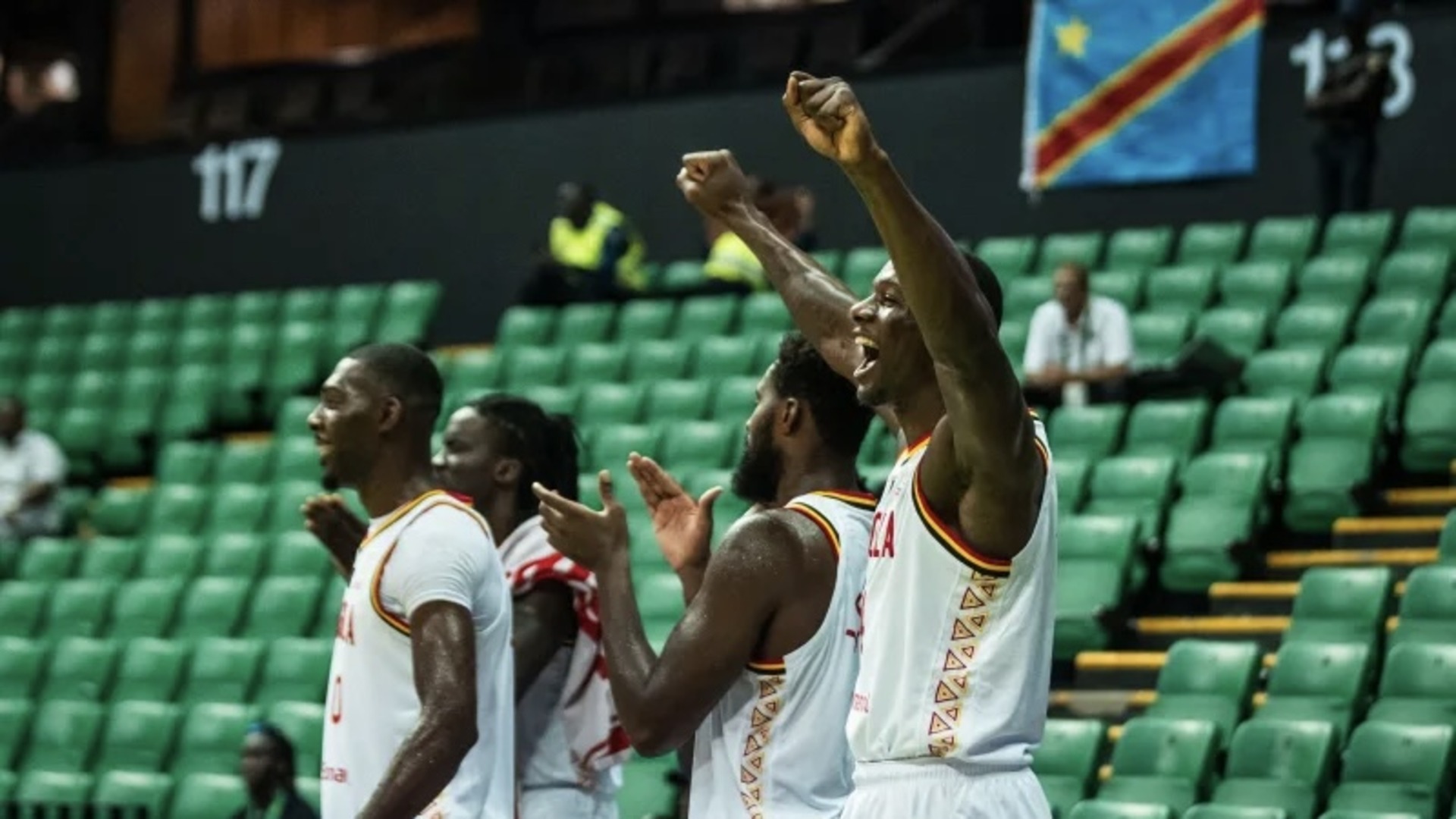
At the iconic Stadium Marius Ndiaye in Dakar on February 28, 2026, the Côte d’Ivoire men’s national basketball team delivered a commanding 96–59 victory over the DR Congo men’s national basketball team in Group B action. While the final margin suggested total dominance, the contest began with surprising resistance from Congo DR, who controlled the tempo early and held the lead for over ten minutes.
The Ivorians, however, displayed patience and composure. After falling behind midway through the second quarter, they flipped the script with a decisive scoring wave that completely altered the game’s rhythm. Once they seized the lead, they never relinquished it, finishing with more than 29 minutes spent ahead on the scoreboard. The shift was not just numerical—it was psychological, as Congo DR’s confidence visibly faded under relentless defensive pressure and efficient shot-making.
The decisive stretch arrived with Côte d’Ivoire trailing 25–32. In just over four minutes, they unleashed a devastating 13–5 run. Kevin Yebo sank two free throws to give his side its first lead at 35–34, igniting the bench and crowd alike. During this phase, Patrick Tape controlled the paint, while Nisre Zouzoua punished defensive lapses on the perimeter.
Congo DR’s offence collapsed under pressure, committing six turnovers and producing just a single field goal during that stretch. What had been a competitive duel suddenly became a one-sided affair. Côte d’Ivoire’s defensive rotations tightened, their transition game accelerated, and their confidence soared as the halftime buzzer approached.
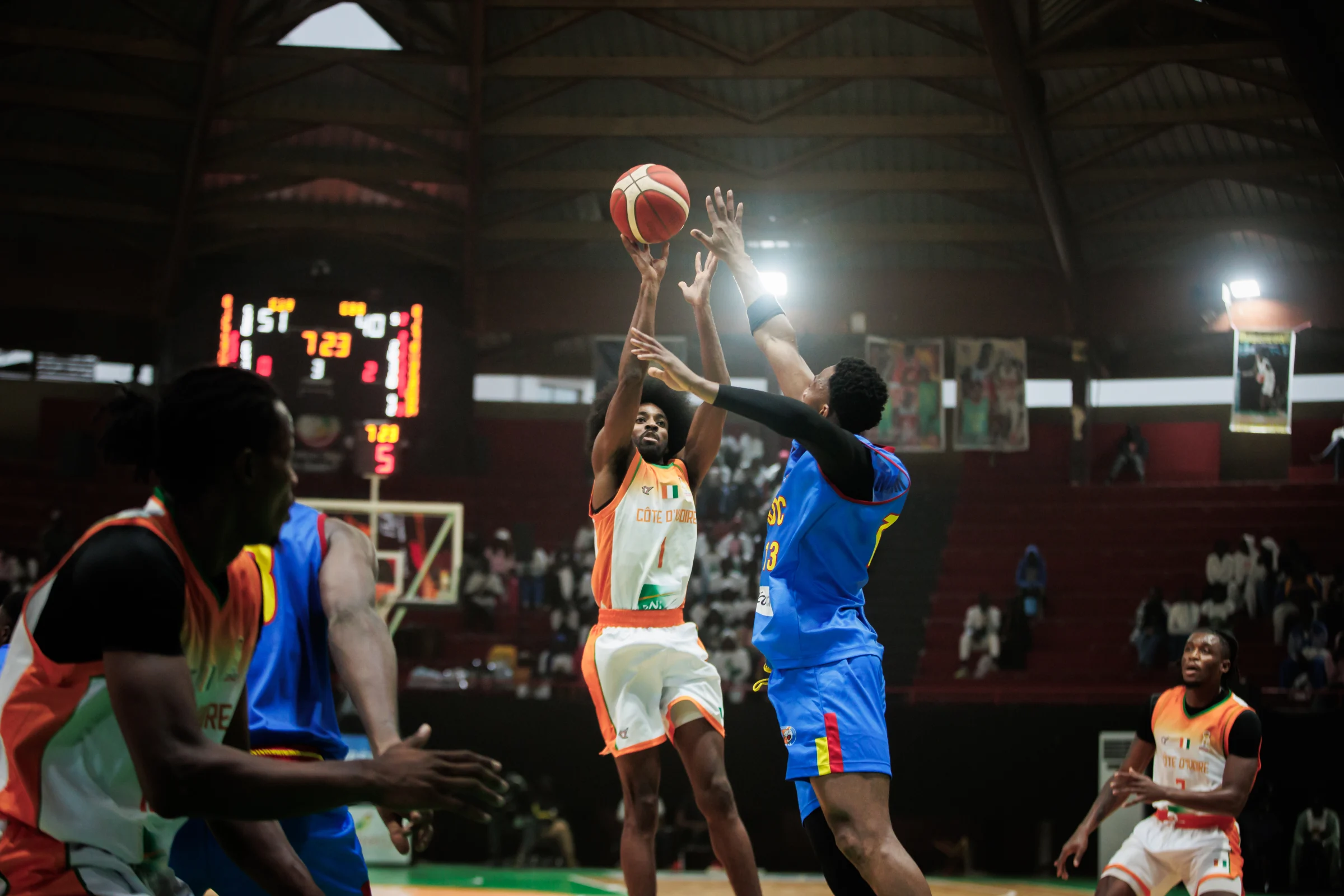
Zouzoua delivered an efficient and influential performance, scoring 15 points on 6-of-11 shooting, including three triples. Beyond scoring, his defensive activity—two steals—and his steady playmaking presence helped maintain the tempo that favoured the Ivorians. Matching him point-for-point was Jean Philippe Dally, who also tallied 15 while adding three assists and a steal. His eight-point burst in the third quarter effectively slammed the door on any hopes of a comeback.
Assemian Moulare provided balance with 12 points, five assists, and four rebounds, finishing with a team-best plus-minus of +21. His pair of late dunks symbolised Côte d’Ivoire’s physical superiority and confidence. For Congo DR, Franck Nyembo fought valiantly with 14 points and seven rebounds, while Jordan Sakho contributed during their brief first-quarter surge.
The Congolese side actually produced the game’s first major run, scoring seven unanswered points late in the opening quarter to turn a deficit into a 23–16 lead in barely more than a minute. That sequence, fueled by Sakho’s inside scoring and a Nyembo three-pointer, hinted at a possible upset. Yet the early energy proved unsustainable once Côte d’Ivoire adjusted defensively and began dictating pace.
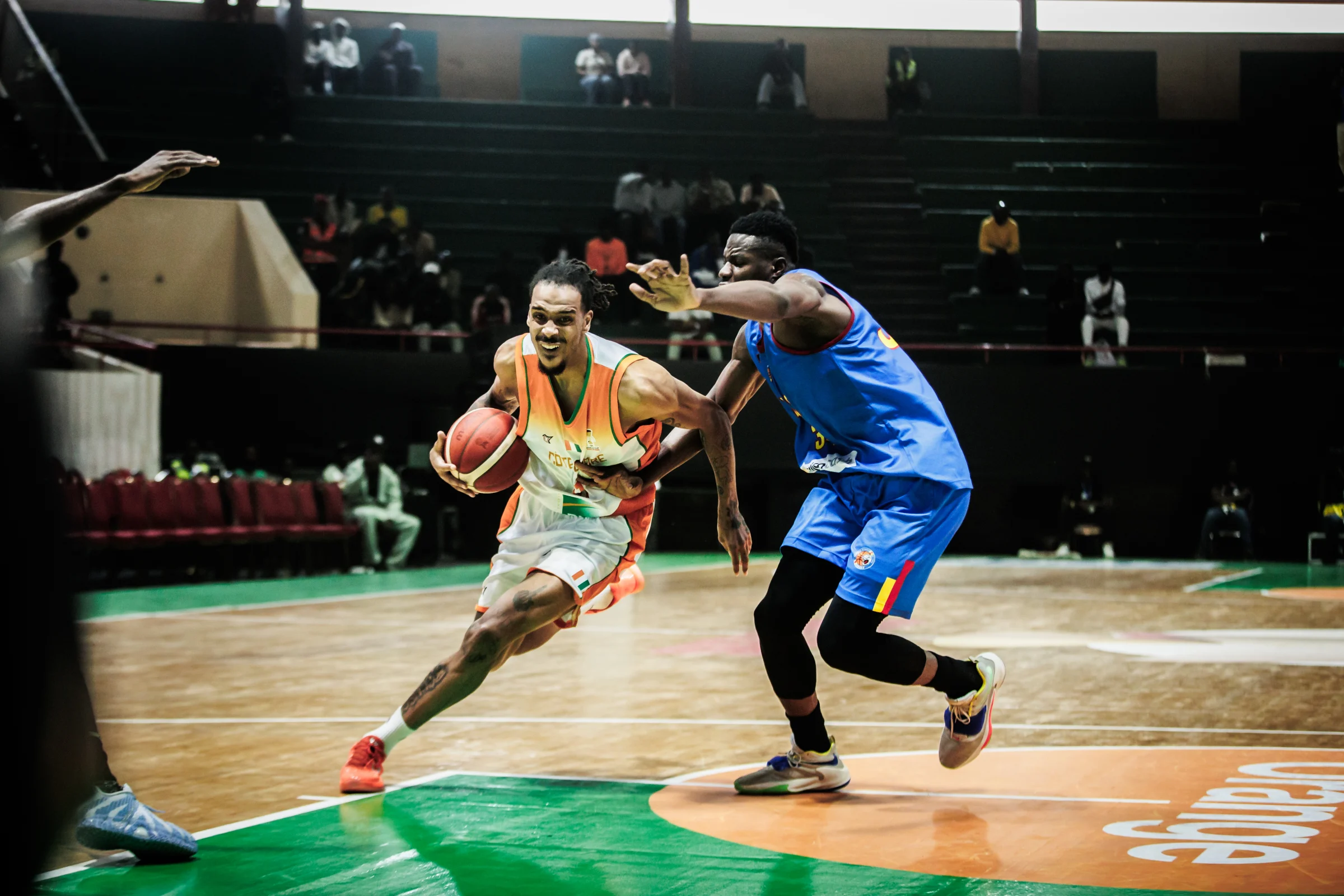
Côte d’Ivoire’s largest advantage, 37 points, arrived in the closing seconds and reflected their sustained dominance rather than a late flurry. Their biggest run, a 12-0 surge, underscored how quickly they could shift momentum when executing efficiently on both ends. Congo DR’s largest lead, eight points early in the second quarter, quickly evaporated once turnovers mounted and shooting accuracy dipped.
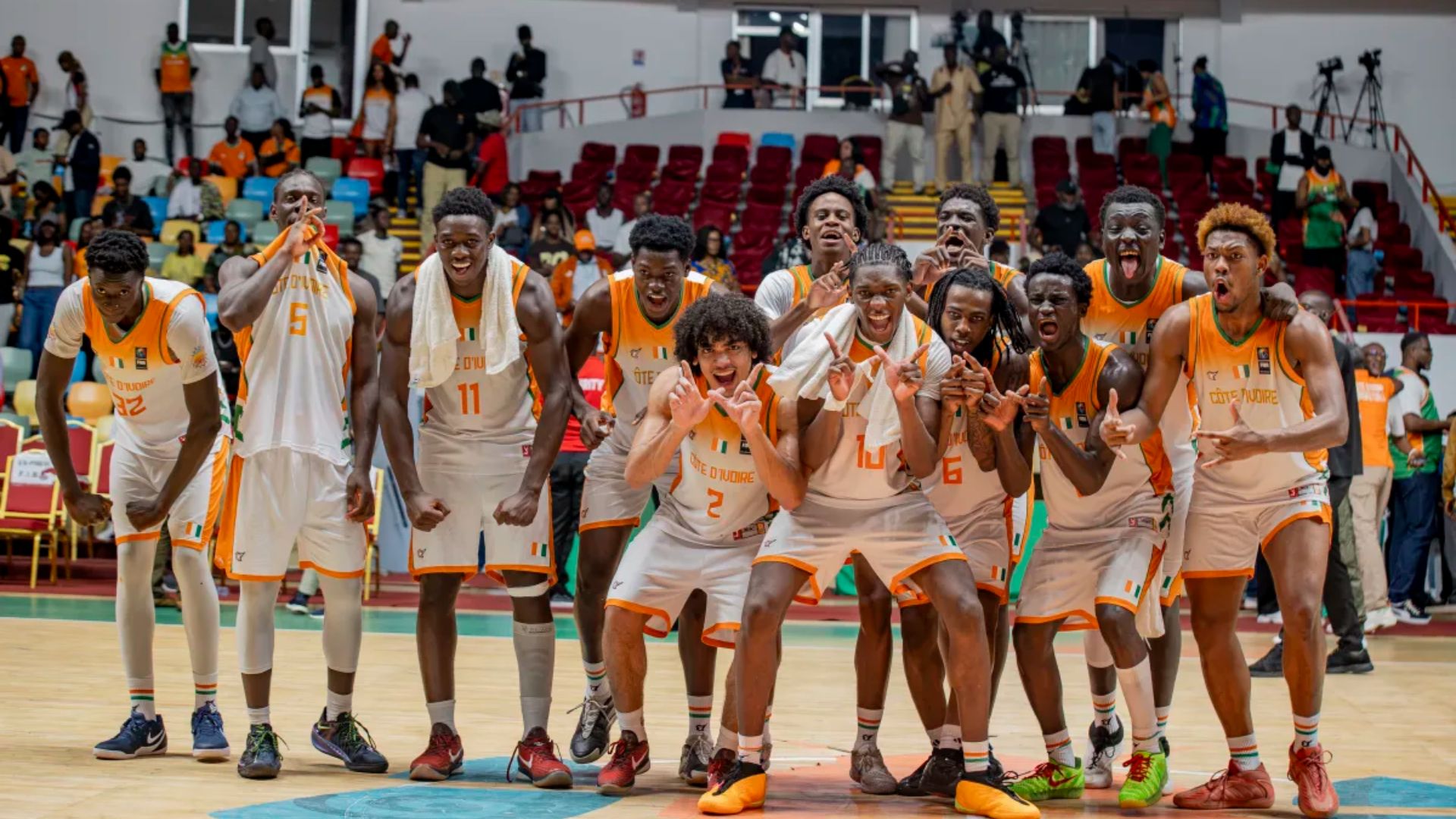
This emphatic result showcased Côte d’Ivoire’s depth, discipline, and tactical flexibility. The team demonstrated an ability to absorb early pressure, identify weaknesses, and strike decisively when opportunities emerged. For Congo DR, the opening stretch showed promise, but inconsistency and ball-handling issues ultimately proved costly.
In the broader context of the qualifiers, Côte d’Ivoire’s performance sends a clear message: when their defensive intensity and offensive balance align, they possess the firepower and structure to overwhelm opponents.
[Photography Courtesy of FIBA]