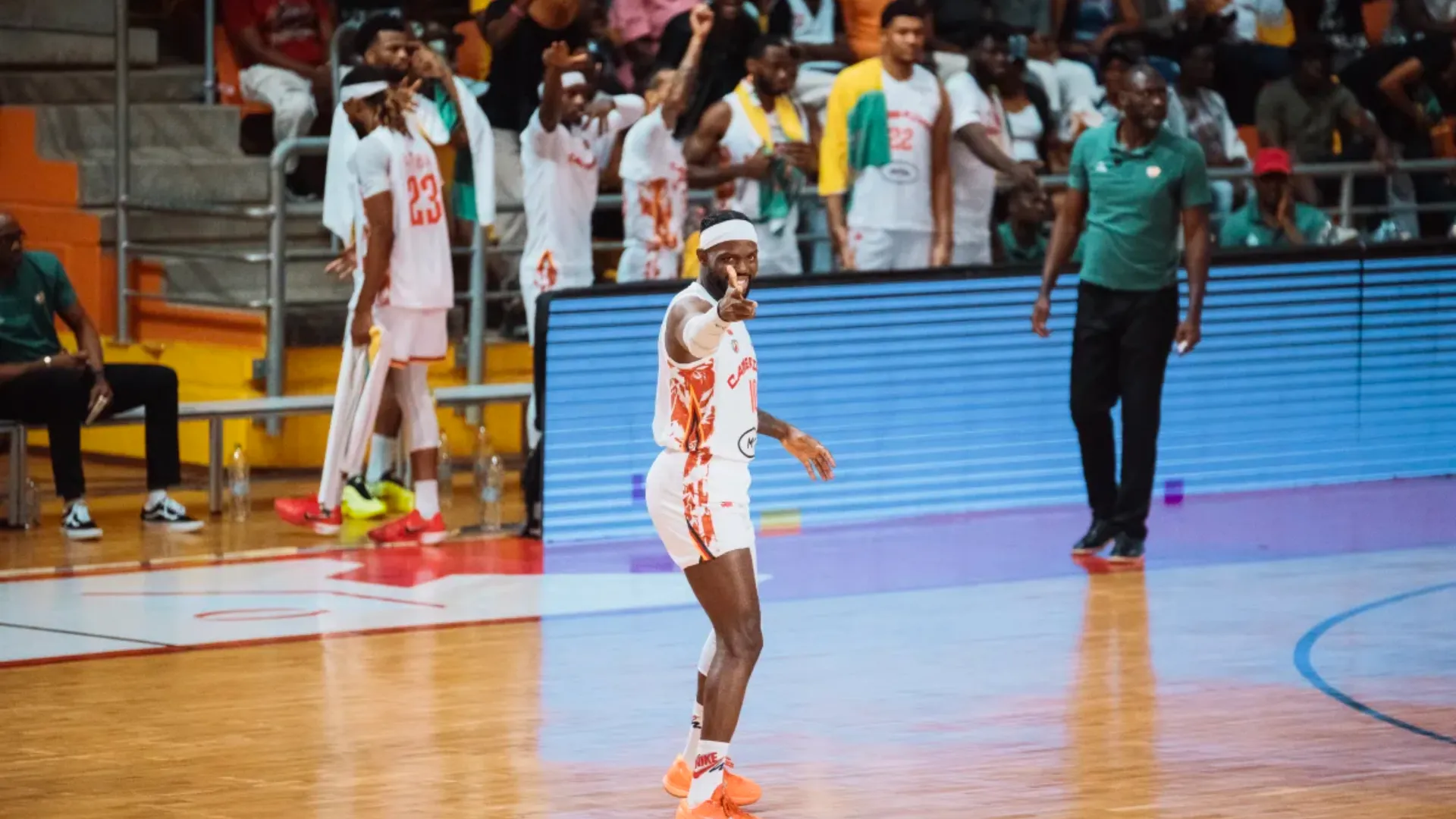
Tunisia wanted a response. South Sudan wanted to keep rolling. What followed at the Salle Multidisciplinaire de Radès was exactly the kind of game neither side could afford to lose as the second round moved closer to its final window.
Last Updated on
September 1, 2026

Tunisia entered the night at 5-3, still carrying the frustration of its defeat to Cameroon the previous day. South Sudan arrived with a 6-2 record and the confidence of a team that had already built a formidable run. With the final window of the African Qualifiers coming in February 2027, every result mattered. A strong record could make the difference when the race for the World Cup places reaches its decisive stage.
By the final buzzer, South Sudan had stretched its record to 7-2, while Tunisia slipped to 5-4 after a 79-75 defeat.
But there was very little between the teams for most of the night.
Tunisia started slightly better, taking the opening quarter 22-20. South Sudan answered in the second, but could only draw level at 20-20 in the period, leaving Tunisia with a narrow advantage at halftime.

Then came the back-and-forth that defined the game.
There were 20 lead changes and 10 occasions when the score was tied. Neither team managed to turn a small advantage into control for long, and every time one side appeared ready to break away, the other found a response.
Tunisia's biggest lead was eight points, and the hosts reached it at 56-48 with 6:12 remaining in the third quarter.
That was the moment South Sudan needed to show why it had entered the game on a winning streak.
Instead of allowing Tunisia to build on its advantage, South Sudan responded with a 9-0 run in the third quarter, turning the 56-48 deficit into a 57-56 lead. It was a collective response, without one player dominating the scoring, and it shifted the momentum back toward the visitors.
The third quarter ultimately went South Sudan's way, 21-19.
Still, Tunisia refused to disappear.
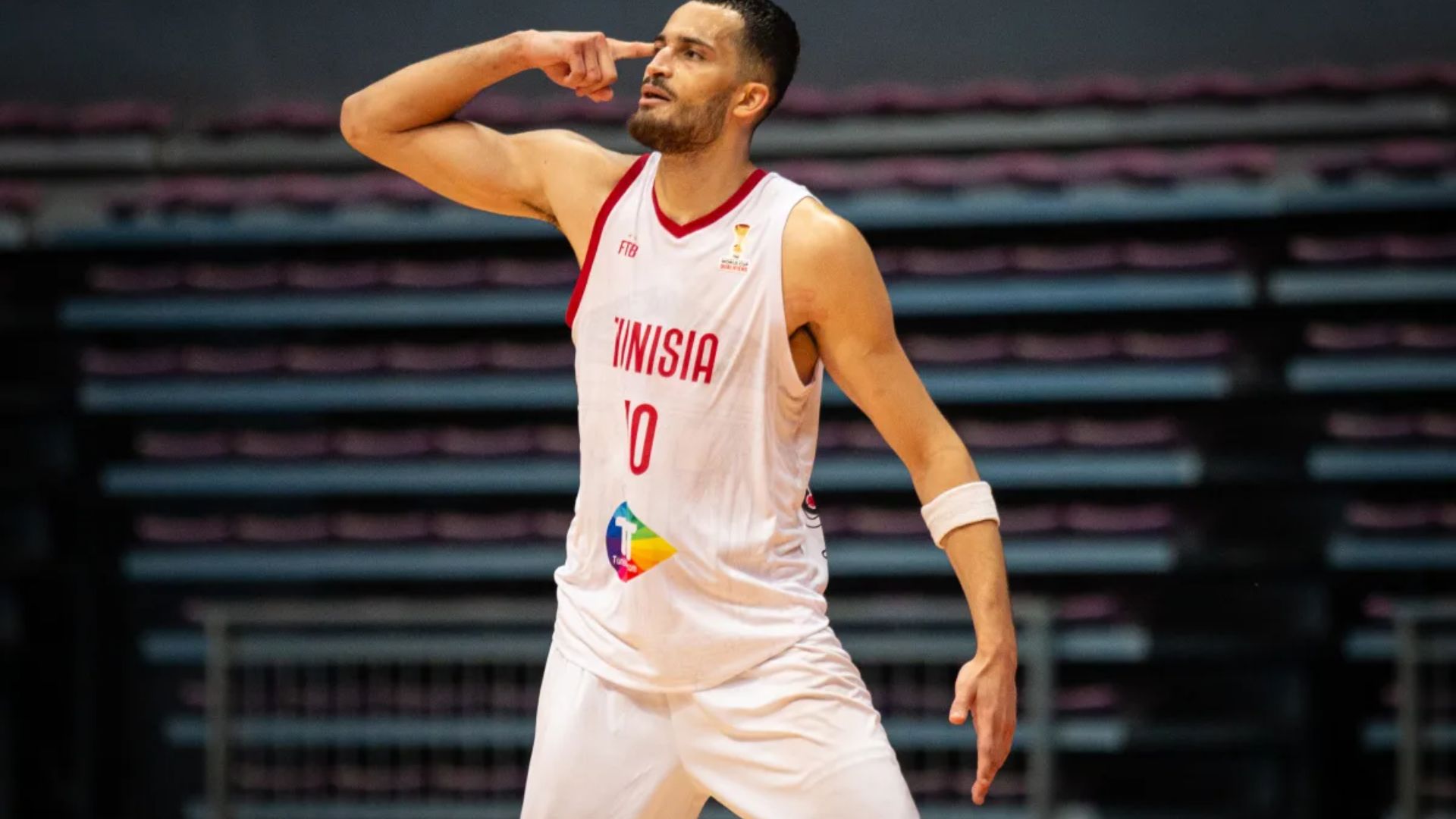
Yacine Toumi carried much of the offensive burden, finishing with a game-high 24 points. He shot 9-of-15 from the field, including 4-of-7 from three-point range, while also contributing five rebounds and three assists.
And when Tunisia needed a final push, Toumi delivered.
With 37 seconds remaining, he knocked down a three-pointer to make it 75-75, wiping out a three-point South Sudan advantage and sending the Radès crowd into another eruption.
South Sudan, however, had Carlik Jones.
The guard finished with 20 points, five rebounds and three assists, shooting 8-of-14 from the field. Most importantly, eight of his points came during crunch time, when the game was still there to be won.
With eight seconds left, Tunisia had an opportunity to take the lead, but Mohamed Mnafedh missed a three-point attempt that would have put the hosts ahead 78-77.
South Sudan did not waste the opportunity that followed. The visitors stayed composed at the free-throw line and closed out a four-point victory.
Majok Deng was equally important to South Sudan's success, finishing with 16 points and 11 rebounds while providing a strong presence around the basket. Both Tut Gach added 10 points, while Peter Jok contributed eight.

Tunisia had more than Toumi, too. Firas Lahiani finished with 14 points, nine rebounds and five assists, while Omar Abada added 11 points, four rebounds and seven assists. Mohamed Mnafedh scored 11 points, including three three-pointers.
The shooting numbers reflected the difficulty of the contest. Tunisia made 36 percent of its field-goal attempts, including 41.7 percent from two-point range and 30.3 percent from beyond the arc. South Sudan shot 37 percent overall, 40.4 percent on two-pointers and 29.2 percent from three. Both teams converted 83.3 percent of their free throws.
For Tunisia, the result was another painful one after the loss to Cameroon. For South Sudan, it was another statement of resilience.
The February window is still ahead. But after nine games, South Sudan has given itself a 7-2 platform to build from, while Tunisia will enter the final window at 5-4 knowing there is little room left for mistakes.
In Radès, the difference was four points. In the qualification race, it could mean considerably more.
[Photography/Imagery : Courtesy of FIBA]



.webp)