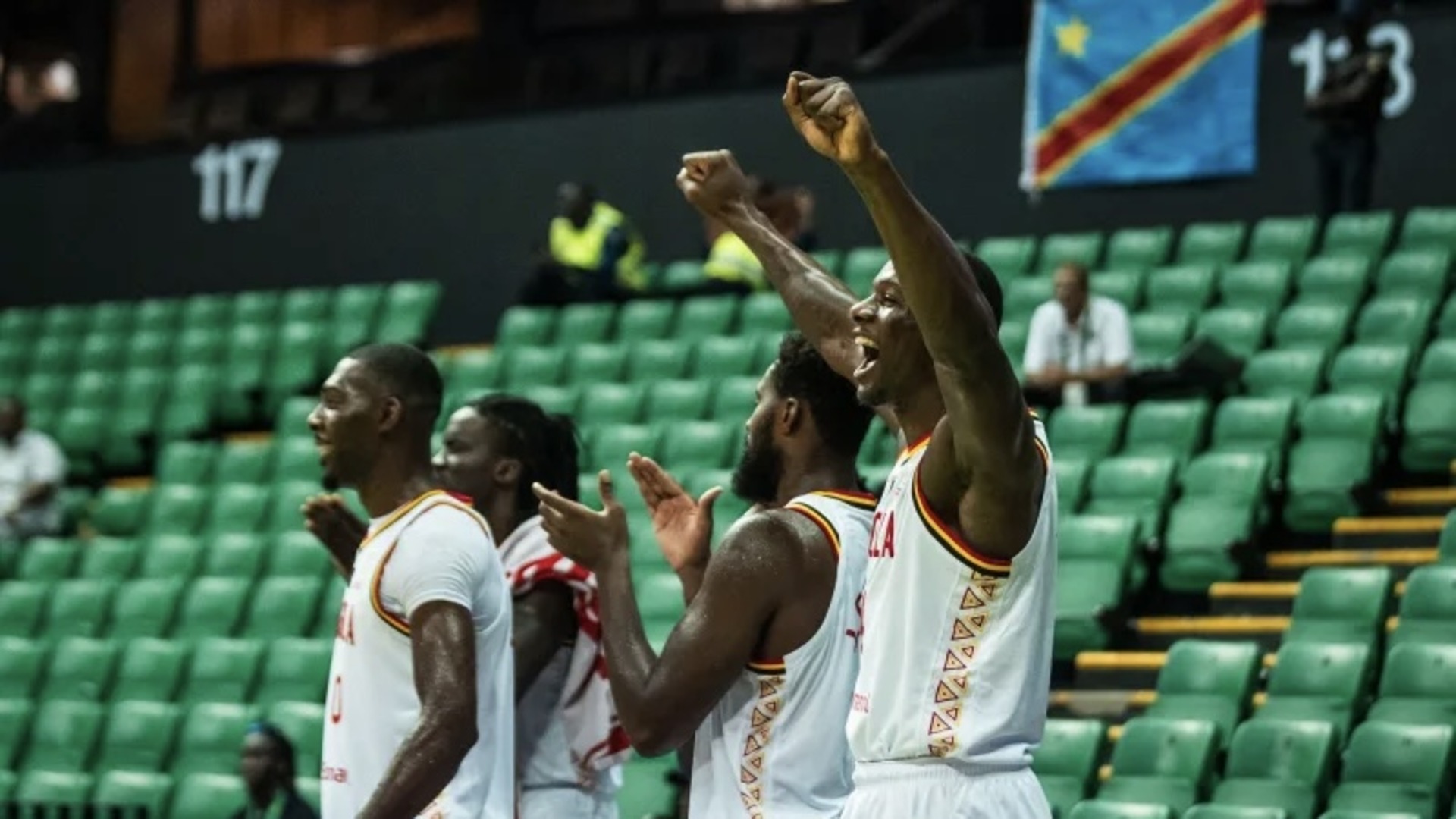
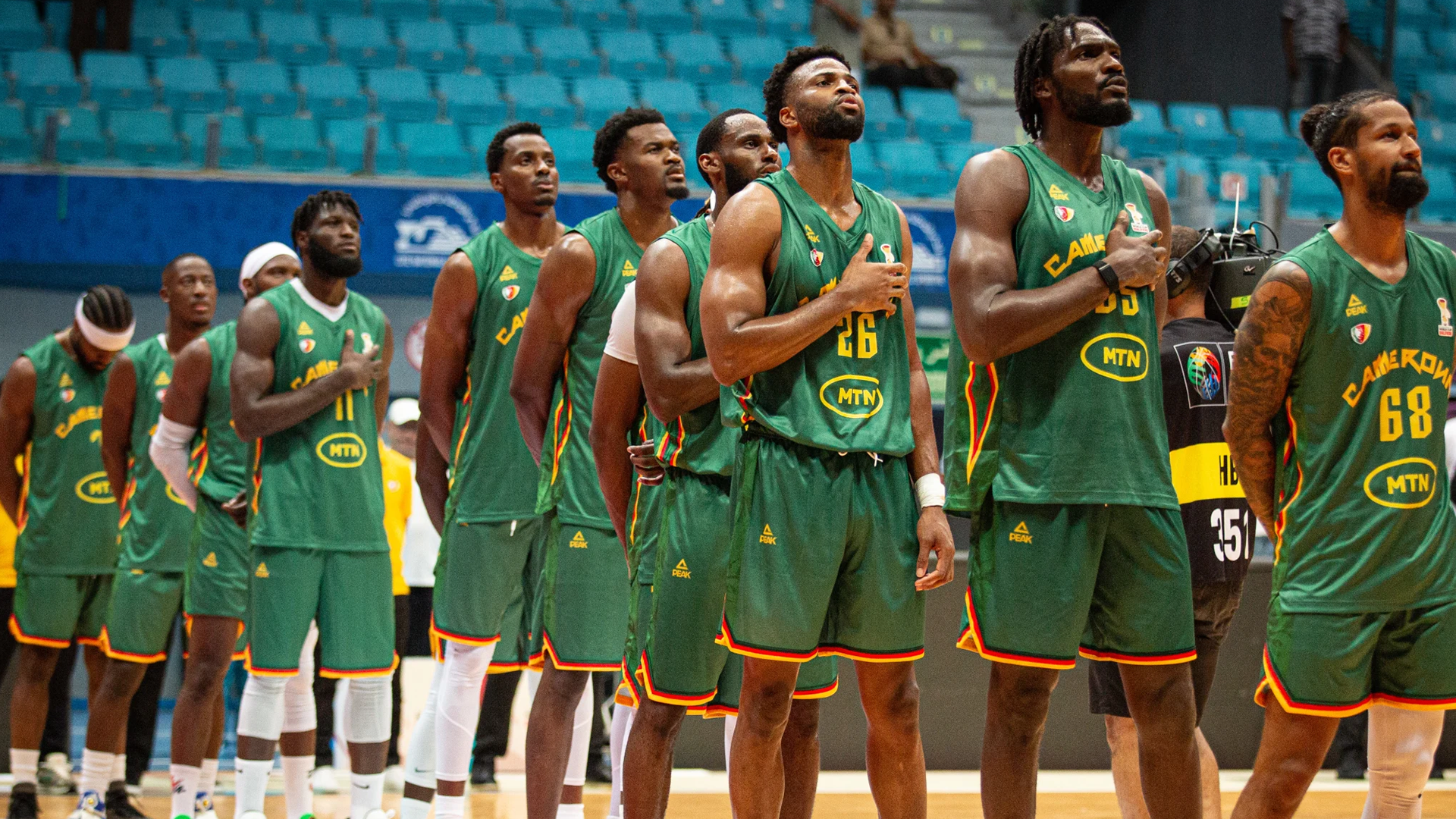
The 2026 FIBA Women’s Basketball League Africa (WBLA) Zone 4 Qualifiers delivered five days of competitive basketball in Brazzaville, Republic of Congo, bringing together seven clubs from Cameroon, the Democratic Republic of Congo, Gabon and the host nation. CNSS emerged as regional champions, while Cameroon’s FAP secured second place and a ticket to the continental competition.
Last Updated on
October 31, 2026
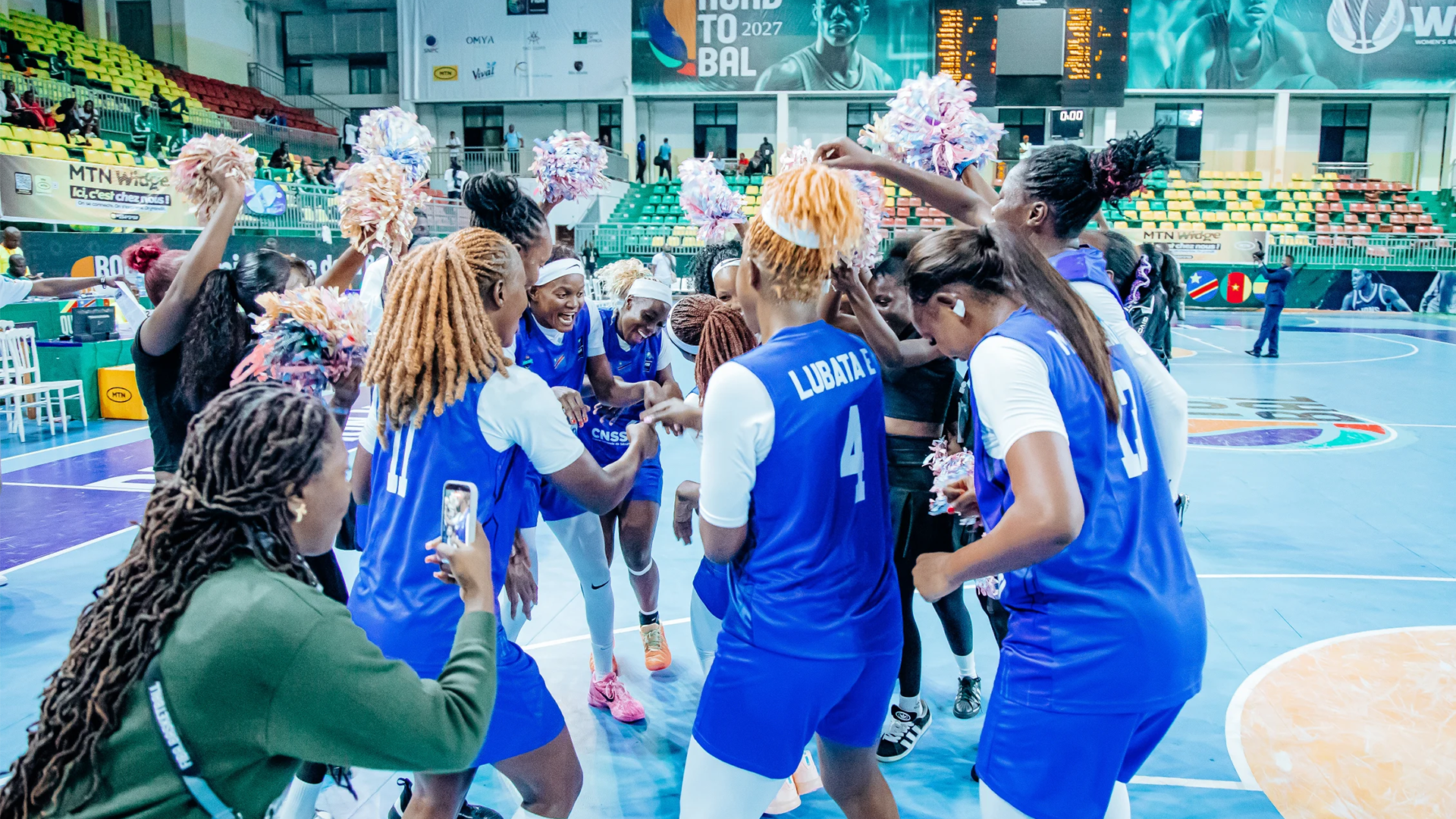
BRAZZAVILLE, Republic of Congo – The road to the 2026 FIBA Women’s Basketball League Africa took centre stage at the Gymnase Henry Elendé, where seven clubs gathered from October 24 to 28 to compete for Zone 4 supremacy and qualification for Africa’s premier women’s club basketball competition.
Representing three Central African countries, the participating teams were Cameroon’s Forces Armées et Police (FAP) and Overdose Up Station, the Democratic Republic of Congo’s CNSS and ASB Hatari, Gabon’s Charbo Squad, and host nation representatives Inter Club and Anges Noirs BC.
With a place in the continental championship at stake, the competition featured contrasting performances, individual brilliance, decisive victories and an exciting finish that confirmed CNSS as the strongest team in the region.
The opening day immediately established the competitive tone of the tournament. CNSS, one of the region’s most experienced clubs, announced their intentions with a commanding 106–28 victory over hosts Inter Club. The Congolese side demonstrated their offensive depth, with Djelika Tounkara leading the scoring with 21 points. Five CNSS players reached double figures, underlining the team’s collective strength.
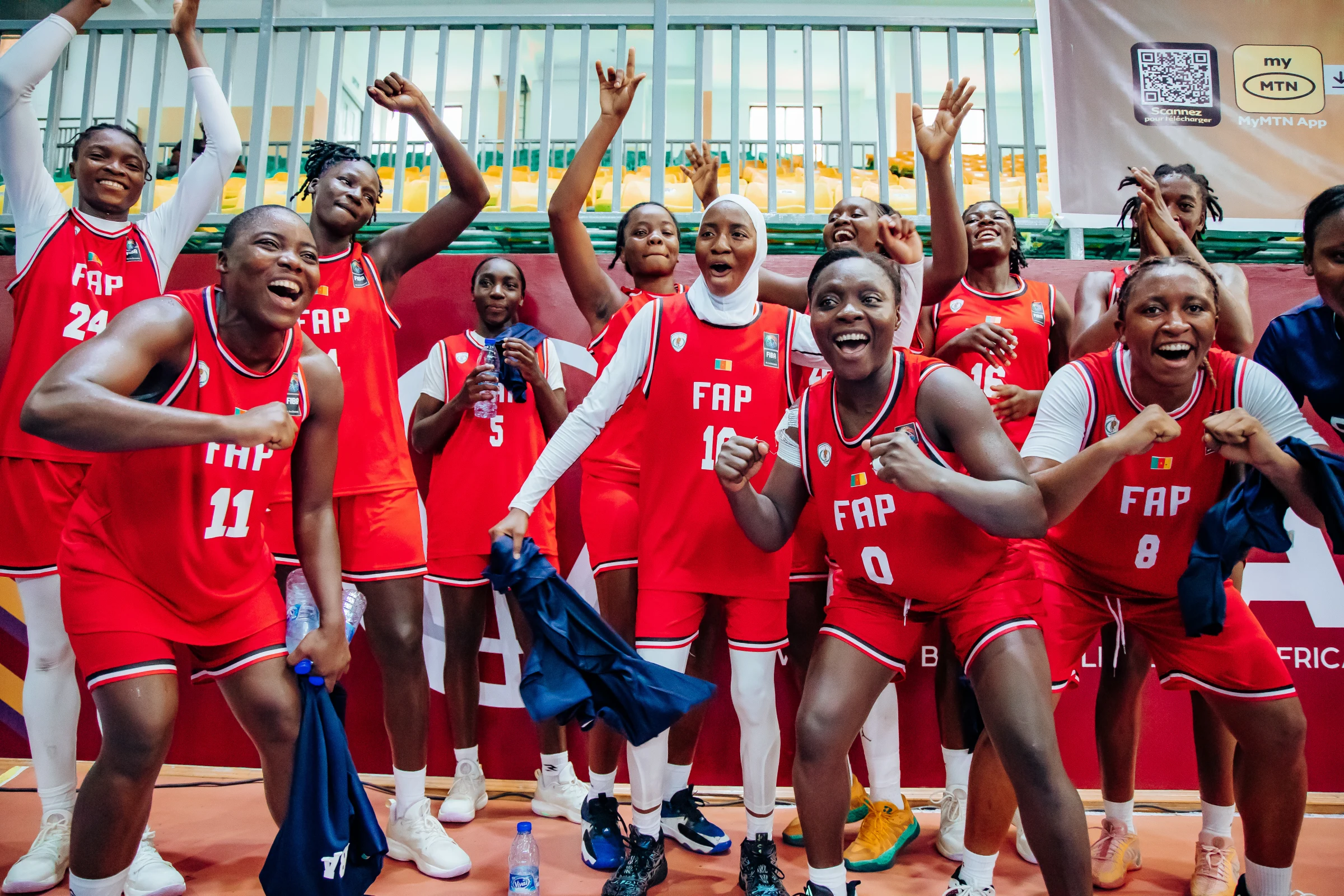
FAP also began their campaign positively, overcoming Gabon’s Charbo Squad 65–49. Cameroon international Damaris Emédié delivered an impressive double-double performance with 17 points and 22 rebounds, while Bintou Dramé contributed 15 points. Michelle Feumba added 11 points as FAP established themselves as serious contenders.
In another opening-day encounter, ASB Hatari demonstrated their ambitions with a convincing 93–33 victory over Anges Noirs BC. Nelma Cunha led the Congolese offensive effort with 19 points, supported by Magda Mussol’s 16 points. The opening results provided an early indication of the contrasting strengths within the two groups: CNSS and FAP in Group B, and Hatari in Group A.
CNSS establish their authority as the group phase unfolds The second day produced one of the most anticipated encounters of the group stage as CNSS faced FAP in a battle between two continental contenders. Despite a promising start from the Cameroonian representatives, CNSS demonstrated their experience and composure to secure a 69–51 victory. Deborah Kaba Mayimona led the Congolese side with 26 points and nine rebounds, while Djelika Tounkara added 22 points and 12 rebounds.
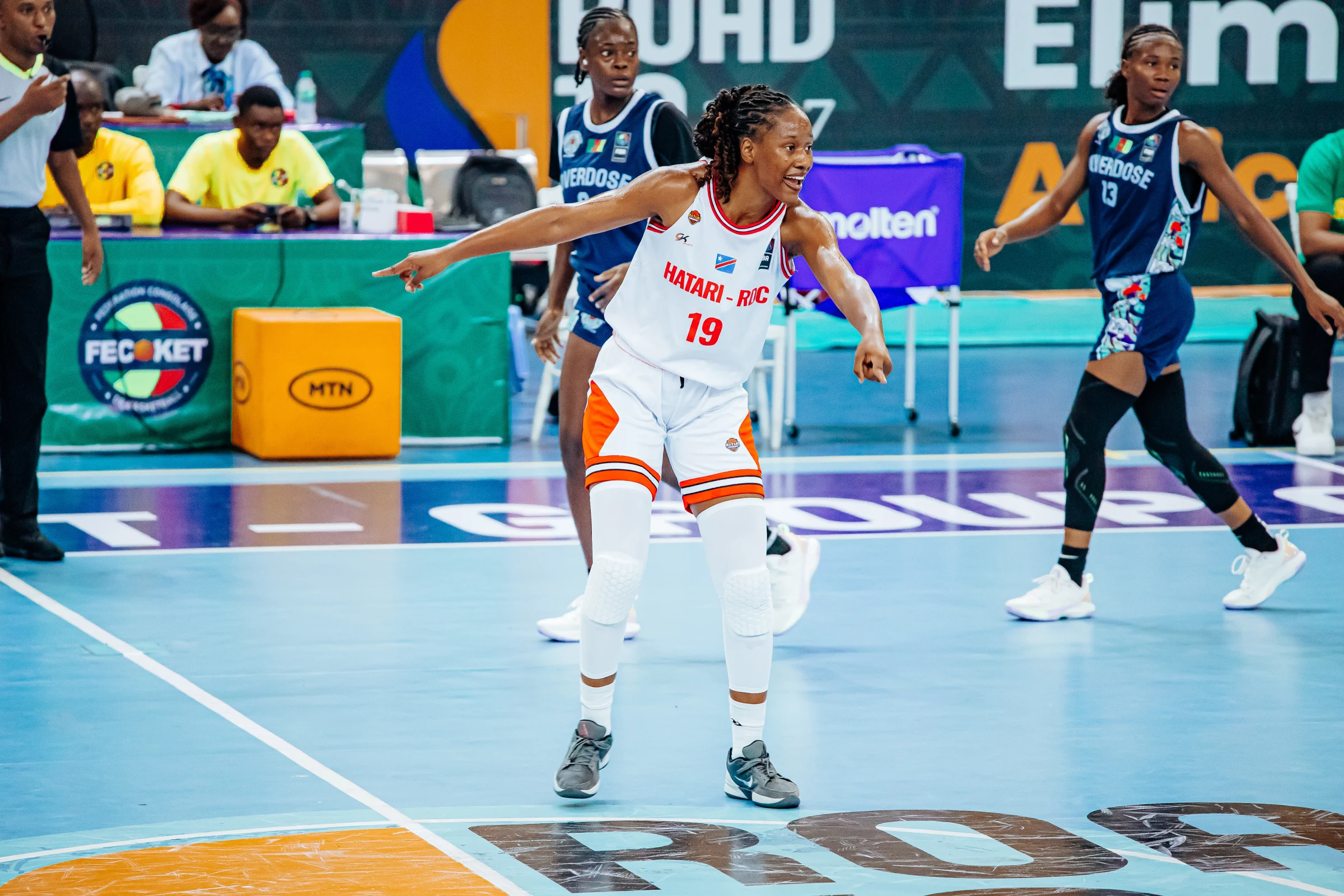
For FAP, Bintou Dramé was the leading scorer with 19 points, but the Cameroonians were unable to sustain their early momentum against a well-organised CNSS team. Elsewhere, Hatari continued their impressive run by defeating Overdose Up Station 73–53. Nelma Cunha was outstanding with 29 points and eight rebounds, while Magda Mussol added 21 points. Despite a 21-point contribution from Williams Amayaba, Overdose could not overcome the Congolese side.
Charbo Squad recorded their first victory, defeating Inter Club 73–51, with Badiallo Dicko contributing 21 points and six rebounds. The third day further confirmed CNSS’s dominance. They defeated Charbo Squad 69–40 to finish the group stage unbeaten. Deborah Kaba Mayimona collected 13 points and 20 rebounds, while Djelika Tounkara contributed 14 points.
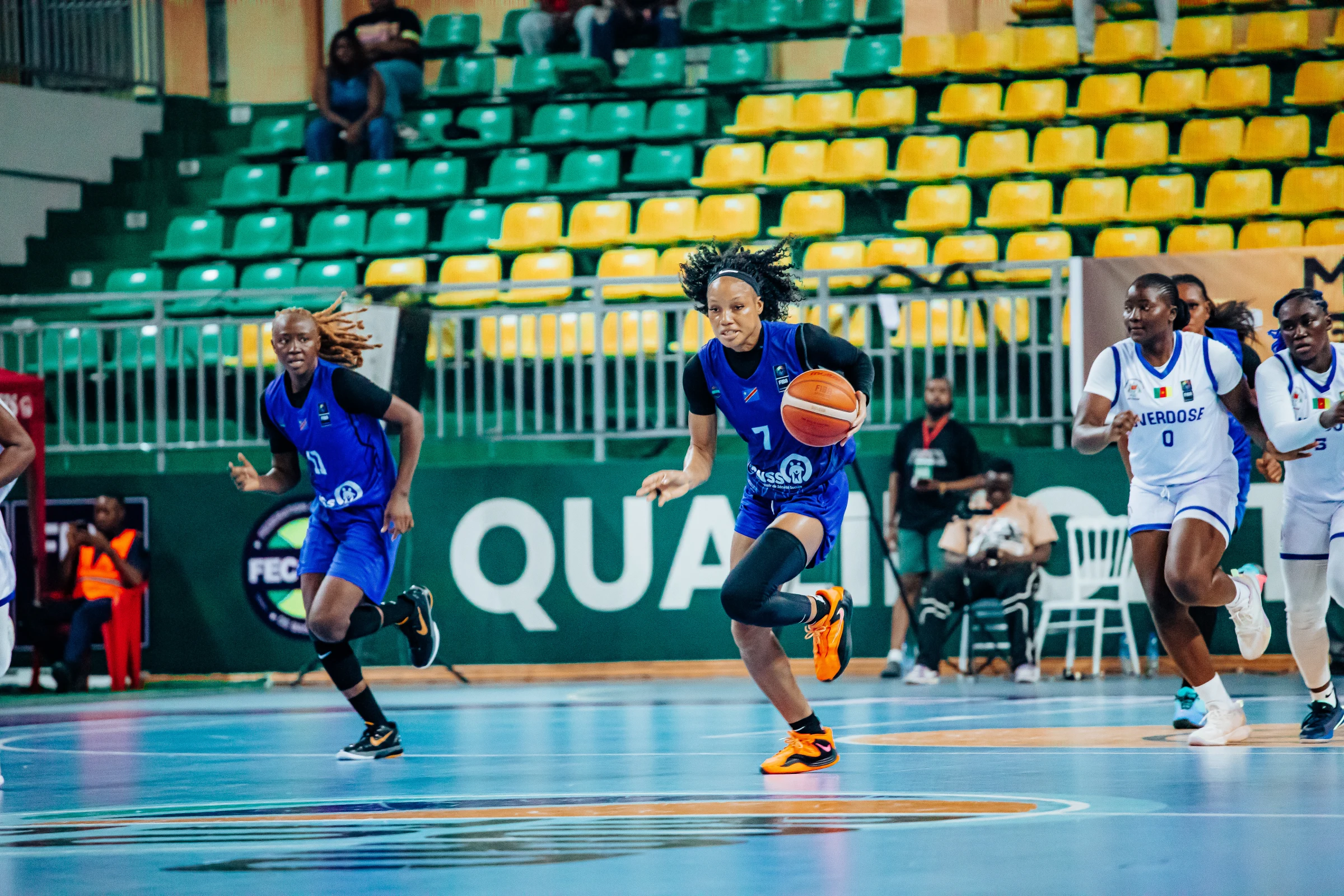
FAP recovered from their defeat against CNSS with an emphatic 100–36 victory over Inter Club. Damaris Emédié produced a remarkable 30-point, 15-rebound performance, while Bintou Dramé added 21 points. In Group A, Overdose secured their passage to the semifinals following the forfeiture of their scheduled encounter against Anges Noirs BC.
FAP overcome Hatari as CNSS maintain their unbeaten run in the semifinals on October 27, providing two contrasting encounters, with the winners securing automatic qualification for the 2026 WBLA.
FAP faced a determined ASB Hatari side in what proved to be one of the tournament’s most entertaining games. The Cameroonians started strongly, building an 18-point advantage at halftime after winning the second quarter 27–12. However, Hatari mounted an impressive second-half comeback, reducing the deficit through an improved defensive performance. FAP eventually held on for a narrow 66–62 victory to book their place in the final. Damaris Emédié was once again the difference-maker, recording an outstanding 27 points and 18 rebounds. Bintou Dramé contributed 17 points, six rebounds, five assists and four steals.
In the other semifinal, CNSS continued their impressive campaign with a convincing 92–57 victory over Overdose Up Station. The Congolese side controlled the encounter from beginning to end, demonstrating their offensive depth and tactical discipline. Djelika Tounkara led the charge with 24 points and 12 rebounds, while Diouma Berthe delivered 18 points and 11 assists. Gemina Mabwa added 16 points, with Susanne Eben and Ketia Mbelu contributing 11 and 10 points respectively. The result confirmed a repeat of the group-stage encounter between CNSS and FAP in the championship final.
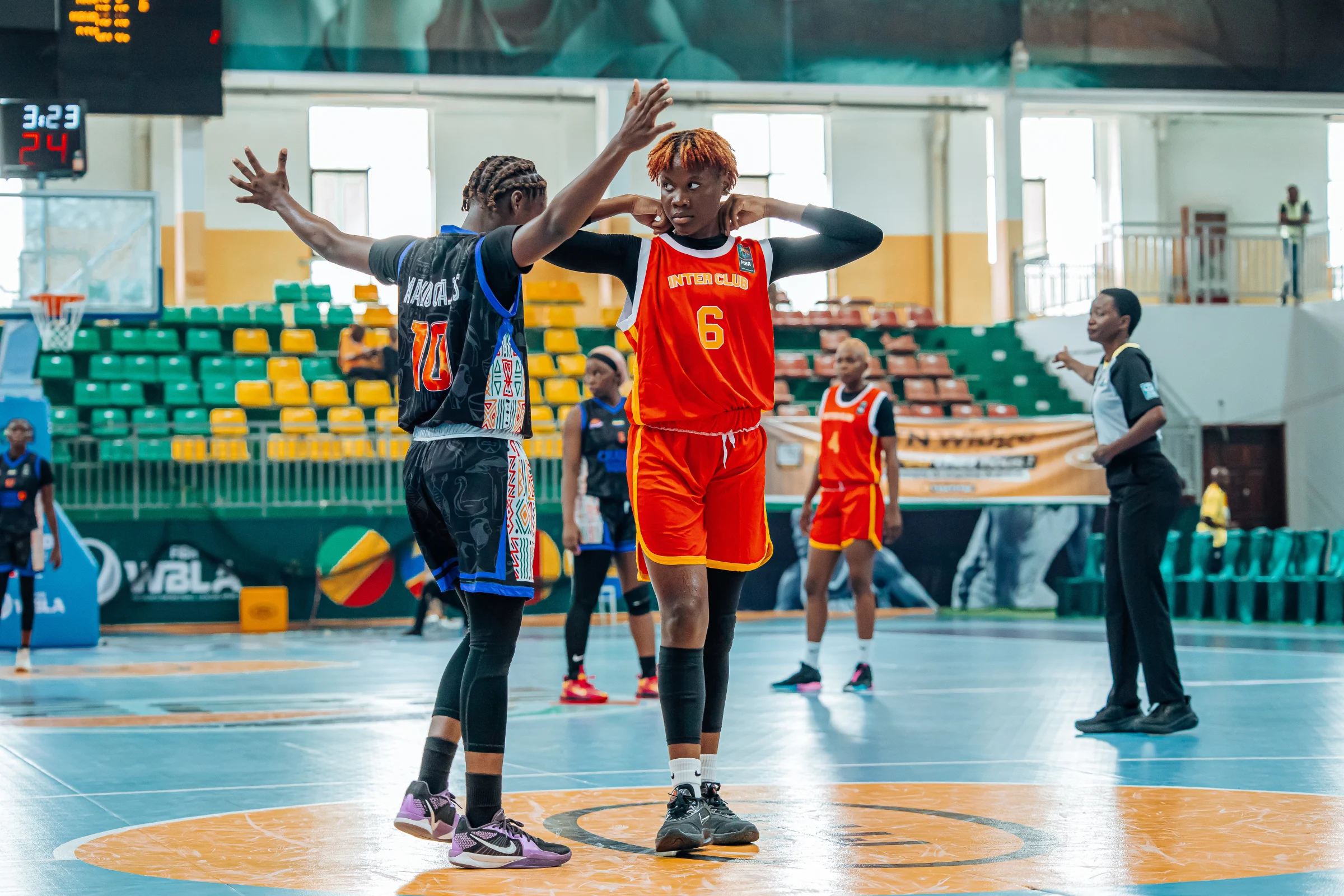
The final day, October 28, brought the competition to an exciting conclusion, with the bronze-medal encounter and championship final determining the final regional hierarchy. In the third-place game, ASB Hatari and Overdose Up Station produced one of the closest contests of the entire competition. The two sides exchanged leads throughout the encounter, with eight lead changes and nine tied scores highlighting the intensity of the matchup.
Overdose appeared to have gained the upper hand after a strong third quarter and entered the final period with a 40–35 advantage. However, Hatari demonstrated remarkable resilience, fighting their way back into contention. With just eight seconds remaining, Magda Mussol converted two crucial free throws to secure a dramatic 53–52 victory for Hatari. She finished with 17 points and seven rebounds, while Anna Kitenge Maluza added 10 points. For Overdose, Myriam Guiolobo’s contribution and the team’s late offensive push were not enough to prevent a one-point defeat. Nevertheless, their semifinal appearance represented a positive campaign for the Cameroonian representatives.
The final brought together the two strongest teams of the competition. CNSS and FAP met for the second time, following their group-stage encounter, which had ended in a 69–51 victory for the Congolese side. The final initially promised a closely contested battle, with CNSS holding a narrow 13–12 advantage after the opening quarter. They extended their lead to seven points at halftime, taking a 28–21 advantage into the dressing room.
However, the third quarter proved decisive. CNSS produced a commanding 26–4 scoring run, effectively putting the championship beyond FAP’s reach. Despite a spirited 15–7 response from the Cameroonians in the final period, CNSS completed a convincing 61–40 victory to claim the Zone 4 championship. Deborah Kaba Mayimona was instrumental in the triumph, registering 15 points and 15 rebounds. Susanne Eben contributed 14 points, while Djelika Tounkara recorded 11 points and 12 rebounds.
For FAP, Damaris Emédié collected an impressive 20 rebounds, although the Cameroonians struggled offensively against CNSS’s defensive pressure. The victory confirmed CNSS’s superiority throughout the tournament, completing an unbeaten five-game campaign.
The 2026 FIBA Women’s Basketball League Africa Zone 4 Qualifiers concluded with CNSS crowned champions, FAP finishing runners-up and ASB Hatari securing third place.
More importantly, CNSS and FAP earned qualification for the 2026 FIBA Women’s Basketball League Africa, scheduled to take place in Cairo, Egypt, from December 11 to 20.
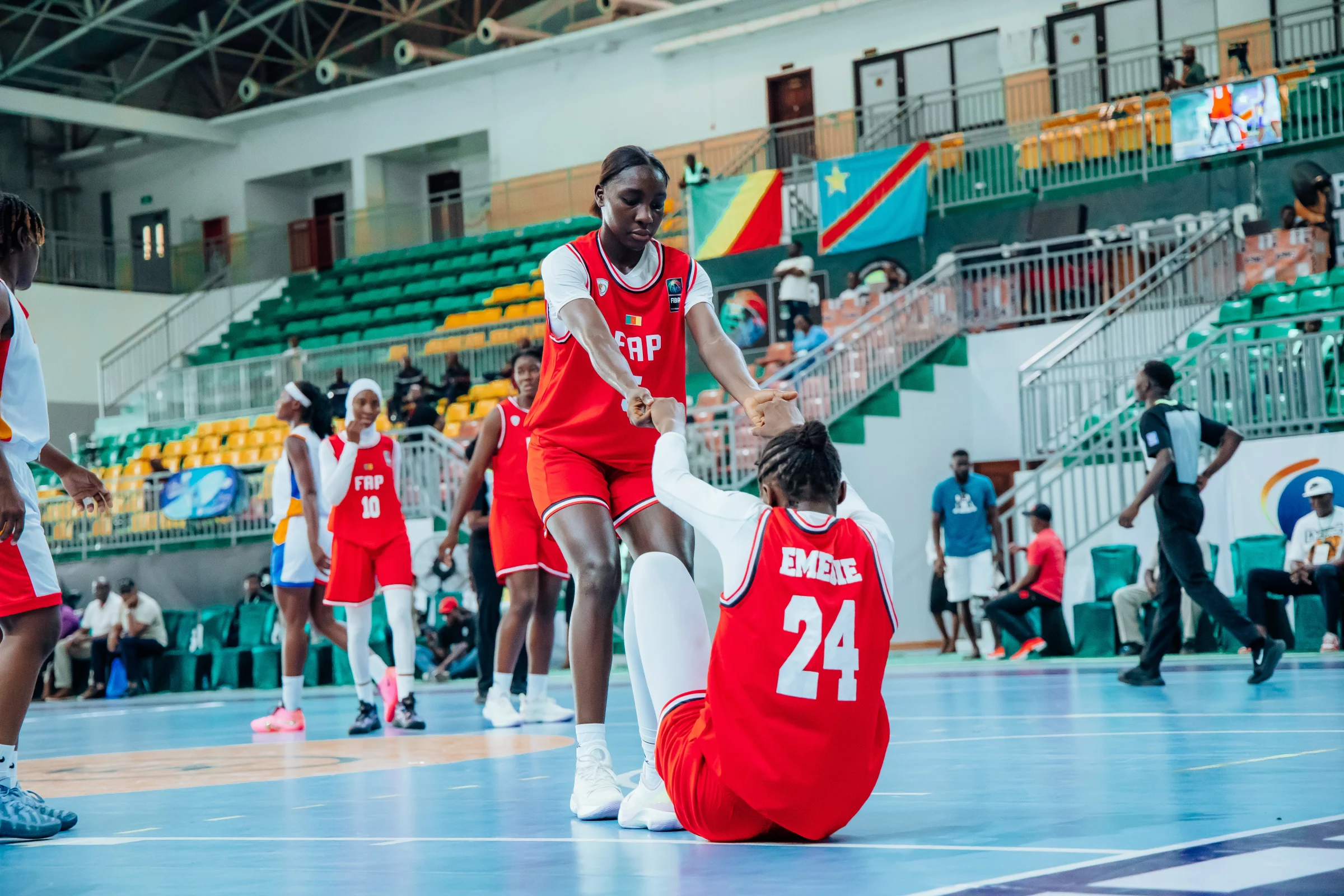
Beyond the final standings, the competition highlighted the growing competitiveness of women’s club basketball in Central Africa. The performances of Damaris Emédié, Bintou Dramé, Deborah Kaba Mayimona, Djelika Tounkara, Nelma Cunha and Magda Mussol provided some of the tournament’s most memorable individual contributions.
For Cameroon, FAP’s qualification represents an important achievement, while Overdose Up Station also demonstrated its ability to compete at regional level. Gabon’s Charbo Squad gained valuable international experience, while Inter Club and Anges Noirs BC had the opportunity to measure themselves against established opponents on home soil.
In the end, Brazzaville provided a fitting stage for five days of women’s basketball, showcasing the talent, ambition and determination of seven clubs pursuing the same continental dream.
CNSS leave the Republic of Congo with the Zone 4 crown. FAP depart with silverware and continental qualification, while Hatari complete the podium after a dramatic final-day victory.
The road to Cairo is now open for the two Zone 4 finalists.