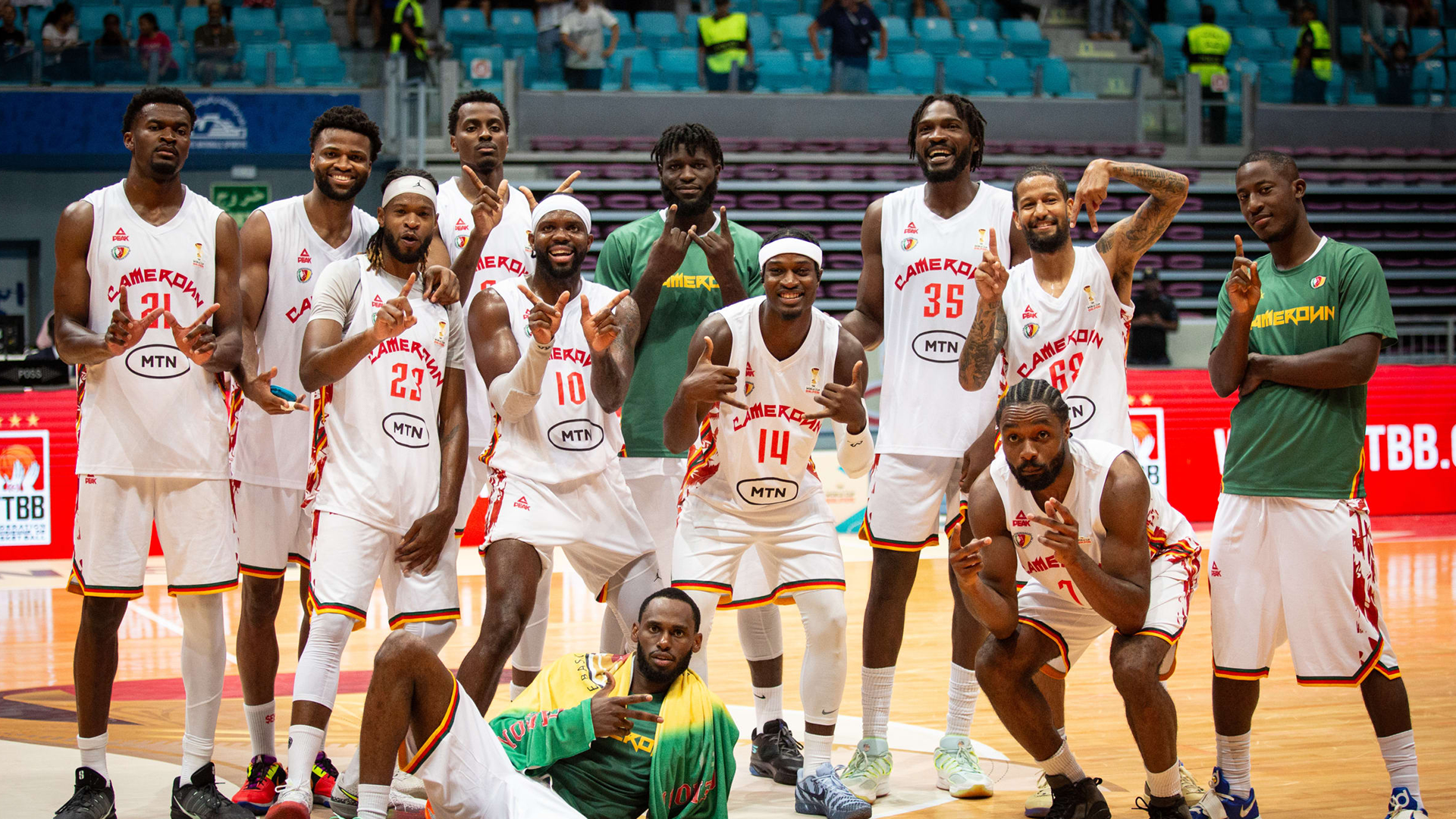
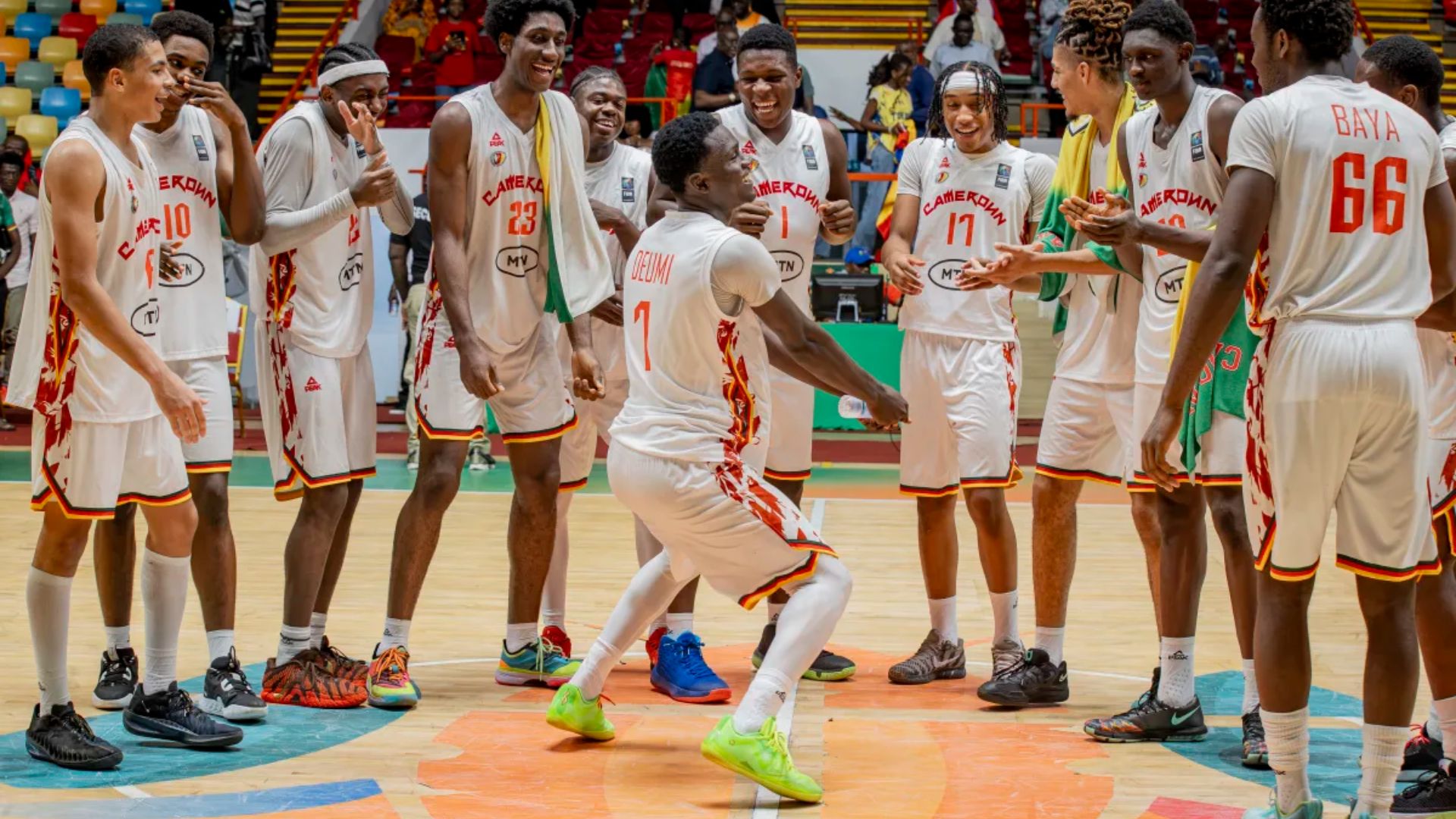
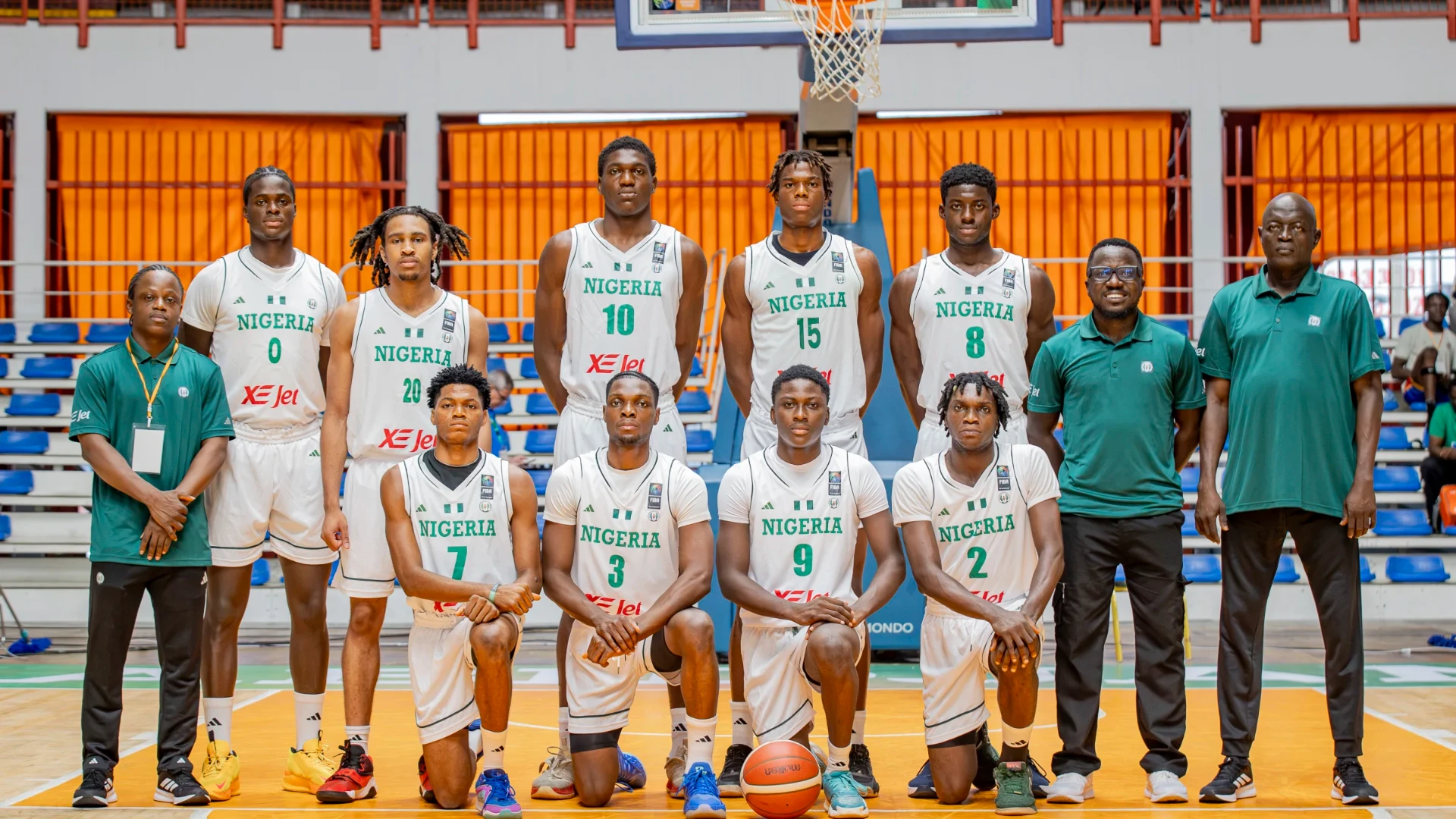
Cameroon delivered a commanding defensive performance to defeat Nigeria 78-62 in the FIBA Basketball World Cup 2027 qualifiers. Led by Yves Missi’s 24 points, nine rebounds and four blocks, the Lions climbed to 6-1 and the top of Group E, while Nigeria face mounting qualification pressure.
Last Updated on
August 28, 2026
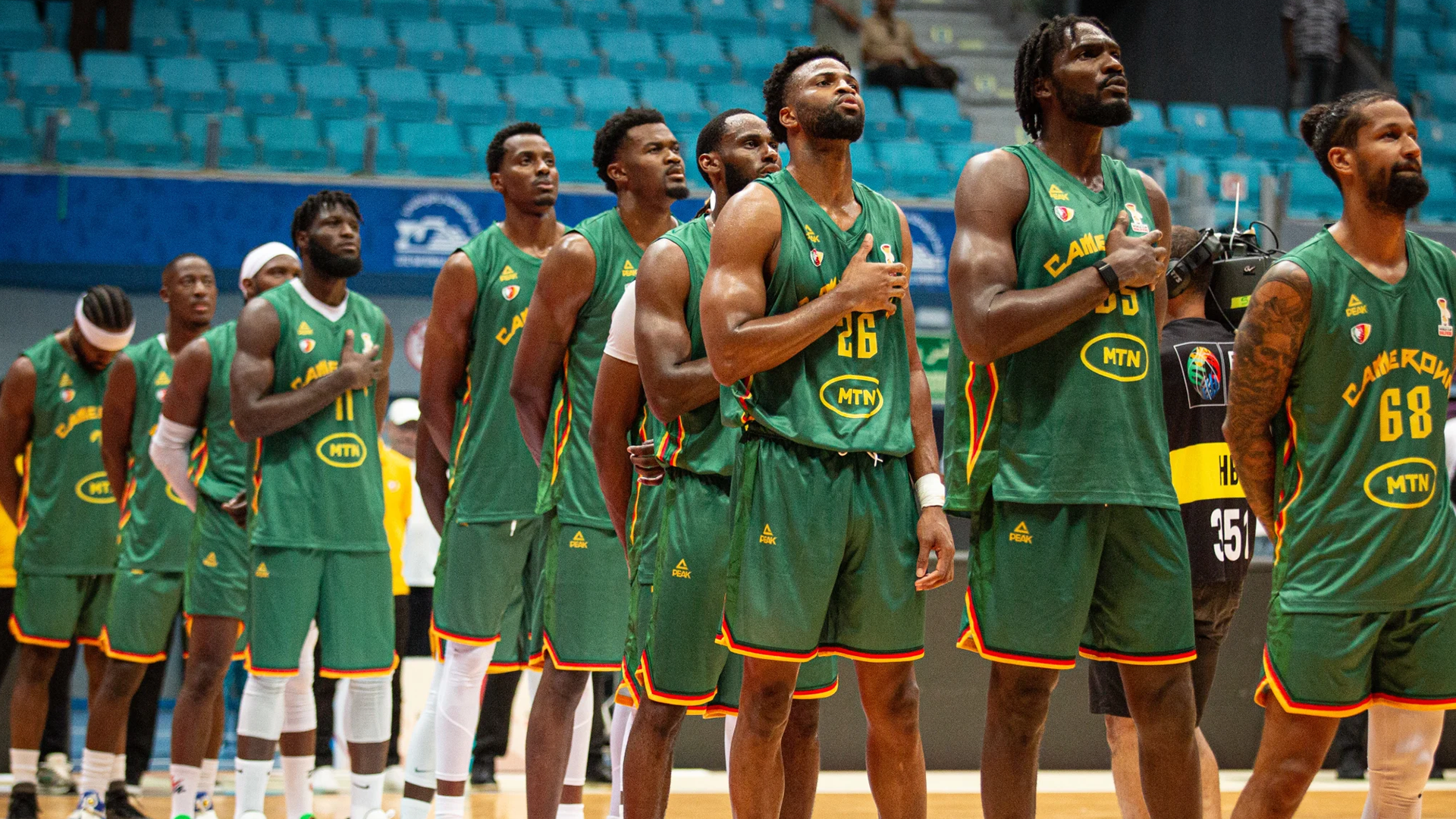
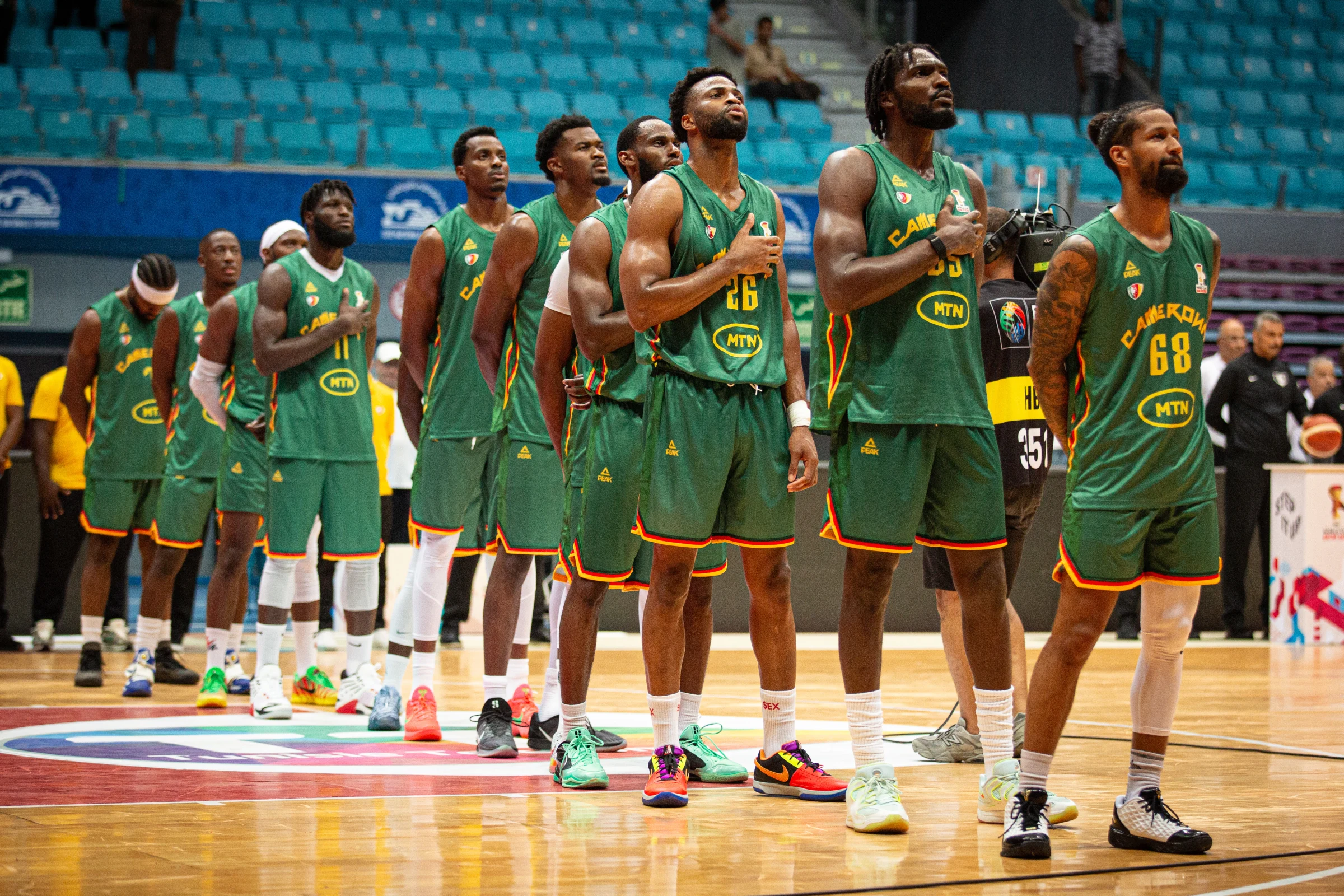
Cameroon delivered a statement performance in the FIBA Basketball World Cup 2027 African Qualifiers, overpowering Nigeria 78-62 in a physically demanding Group E clash to strengthen their position at the top of the standings. The matchup was always expected to be a battle of strength, discipline and defensive execution. In the end, Cameroon proved better equipped to handle the pressure, maintaining control for long stretches and improving their record to 6-1.
From tip-off, Alfred Aboya’s team looked prepared for the challenge. Cameroon’s defensive approach was straightforward: protect the paint, force Nigeria away from the basket and make every perimeter attempt difficult. The execution was impressive. Nigeria managed no more than 18 points in any quarter, struggling to find rhythm against a Cameroon defense that consistently closed driving lanes and contested shots. The D’Tigers finished the opening period with just 14 points, an early indication of the offensive difficulties that would follow. Aboya acknowledged that Cameroon had identified Nigeria’s biggest strengths during their preparation.
We watched Nigeria from the last window, and we knew where they were dangerous,
the Cameroonian coach explained.
Transition basketball, one-on-one situations and offensive rebounding were identified as key areas to control. Although Nigeria still managed to collect 30 offensive rebounds, Cameroon succeeded in disrupting much of what made the D’Tigers dangerous. The defensive work was complemented by a dominant performance from Yves Missi, who emerged as the difference-maker inside.
The Cameroon center produced a game-high 24 points, adding nine rebounds and four blocked shots in an imposing display. Nigeria struggled to contain him around the basket, and whenever Cameroon needed a reliable scoring option, Missi repeatedly provided an answer. Nigeria head coach David Fizdale admitted that his team failed to deal with the big man effectively.
We did not do a good job on him at all,
Fizdale said, acknowledging that Nigeria too often left individual defenders to deal with Missi without sufficient help.
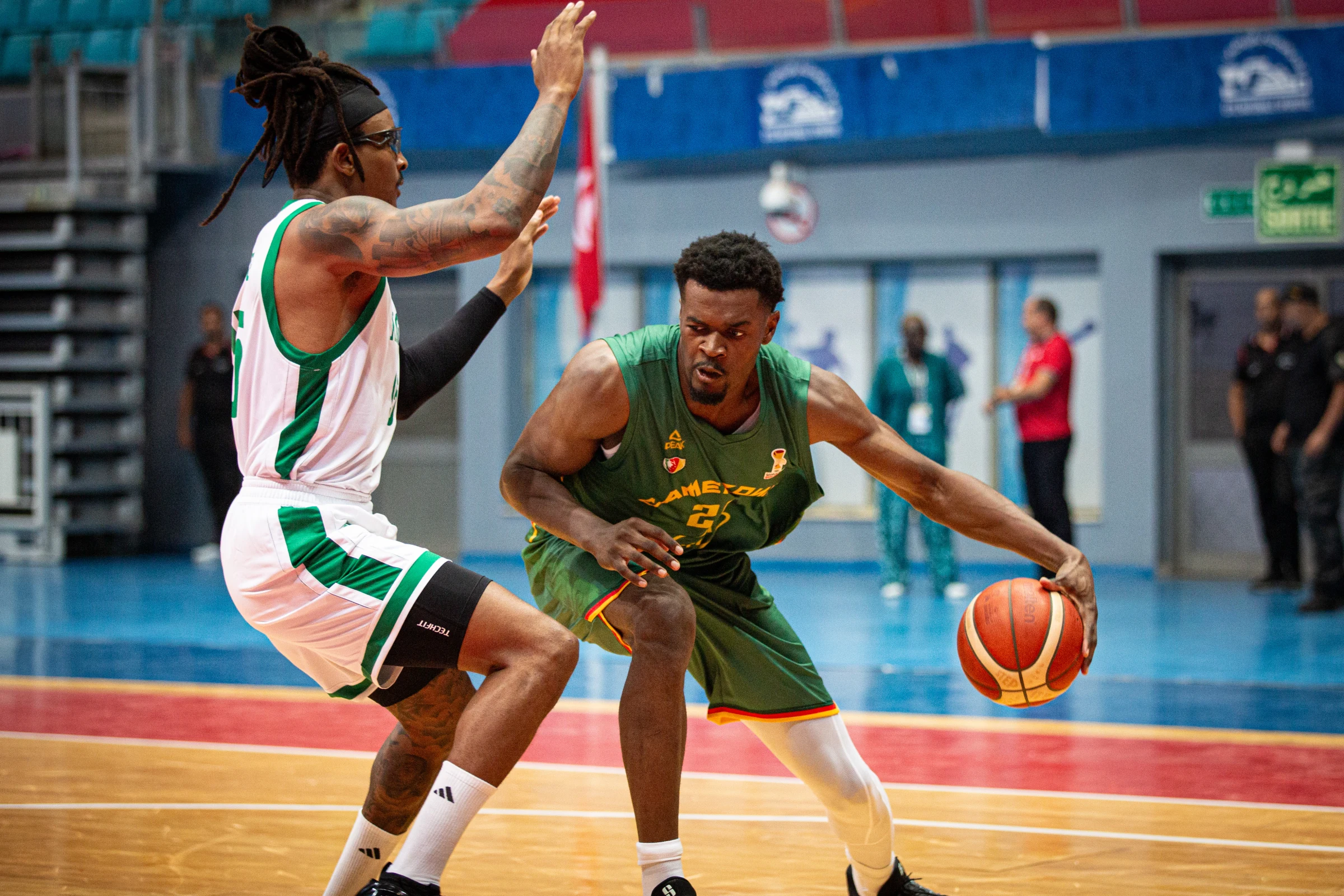
While Missi’s production stood out, Cameroon’s victory was built on collective defensive discipline. Nigeria never found the offensive consistency required to challenge a team that was comfortable dictating the pace. For Fizdale, the most frustrating aspect was not necessarily Cameroon’s defensive strategy, but Nigeria’s inability to make shots.
The D’Tigers struggled throughout the contest, repeatedly missing opportunities from the perimeter and failing to turn their offensive possessions into sustained scoring runs. Against a Cameroon side that was determined to protect the paint, those missed shots became increasingly costly.
We could have played better. I would have never anticipated us shooting the ball that poorly
Fizdale admitted, while also giving Cameroon credit for executing its defensive game plan.
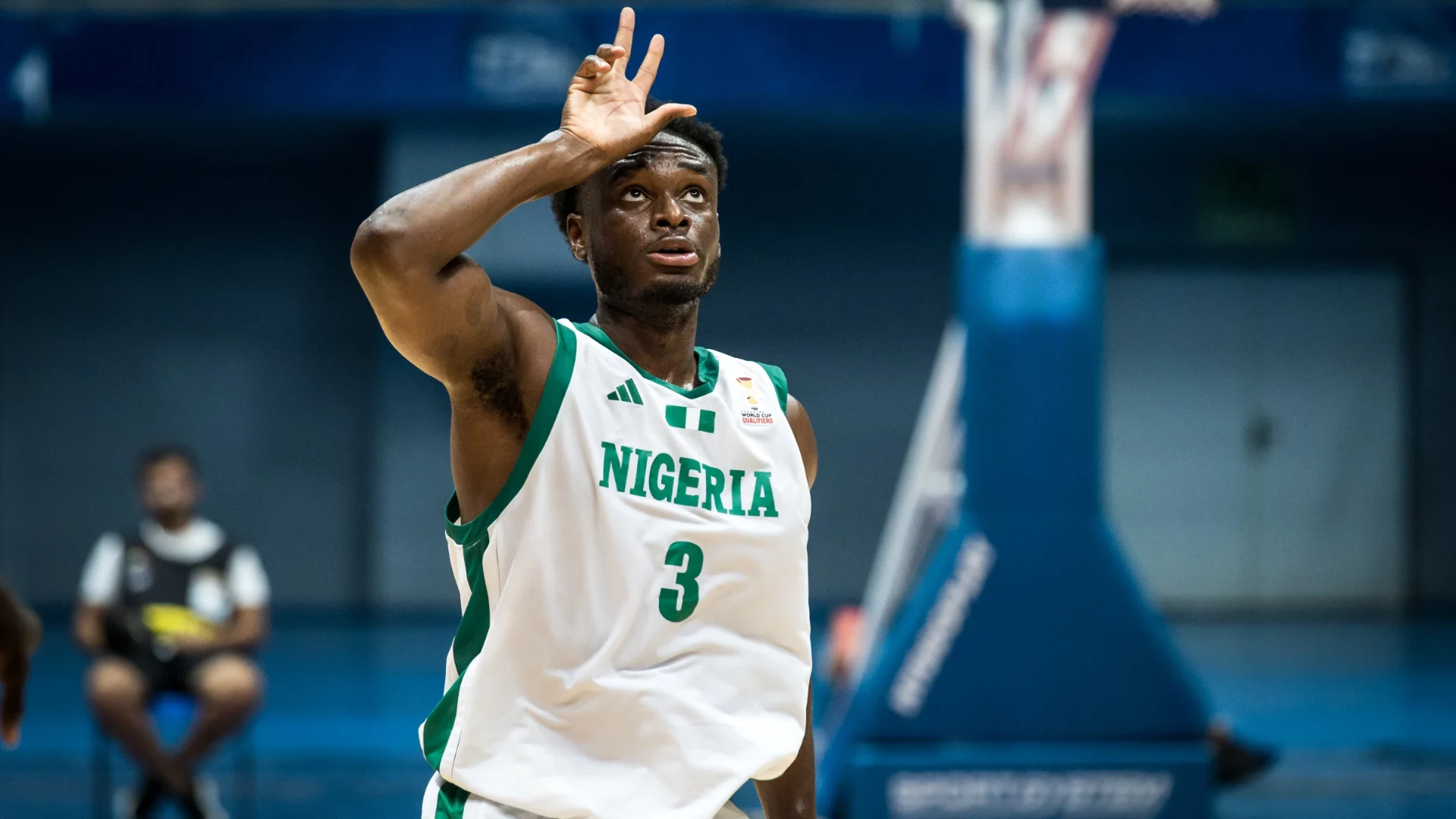
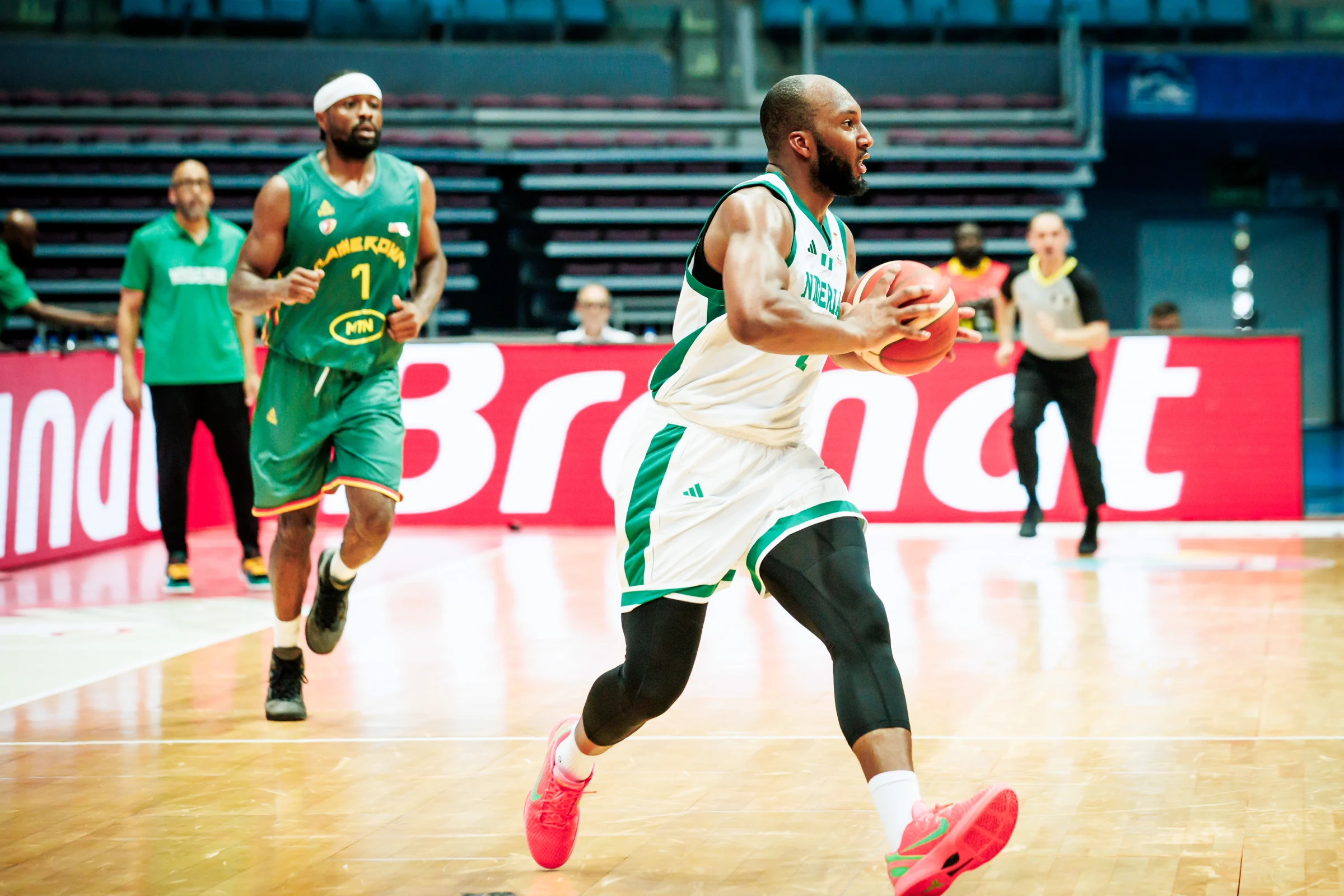
Caleb Agada offered perhaps the clearest explanation of Nigeria’s offensive struggles. In a game where Cameroon made scoring inside difficult, Nigeria repeatedly settled for three-point attempts without finding the accuracy needed to make them pay.
One of the biggest things about African basketball is settling for three
Agada said, pointing to a familiar problem that can quickly become decisive when outside shots are not falling. That proved to be the story of the night.
Cameroon remained disciplined, Nigeria remained inconsistent, and the gap gradually became too large to overcome. By the final quarter, the result was effectively beyond doubt as the Central African side completed a convincing 78-62 victory.
The win has significant implications for both teams. For Cameroon, moving to 6-1 places them at the summit of Group E and provides another major boost to their World Cup qualification ambitions. More importantly, the performance demonstrated that Aboya’s team can win not only through offensive talent but also through defensive organization and physicality.
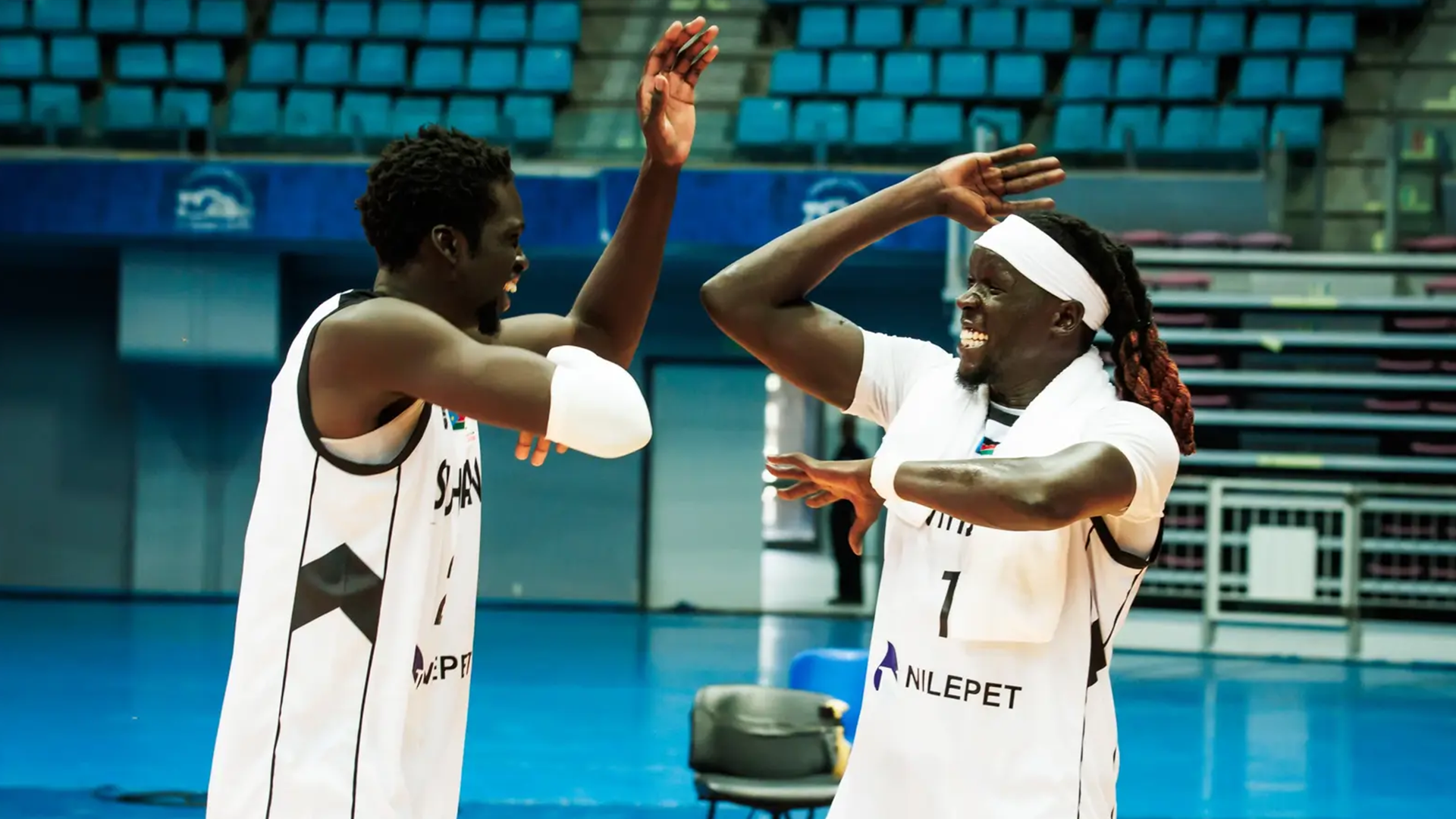
Nigeria, meanwhile, face a difficult road ahead. Their next challenge is arguably even greater, with a meeting against South Sudan, Africa’s top-ranked team, scheduled for Friday afternoon. Another defeat could seriously complicate the D’Tigers’ hopes of returning to the World Cup. Cameroon with little time to celebrate, their attention now turns to Tunisia, with the hosts awaiting them in their next Group E encounter.
After shutting down Nigeria, Cameroon will be looking to carry the same defensive intensity into their next challenge. If the Lions can maintain that level of discipline, their position at the top of Group E could become increasingly difficult to challenge.
[Photography and Imagery Courtesy of FIBA]