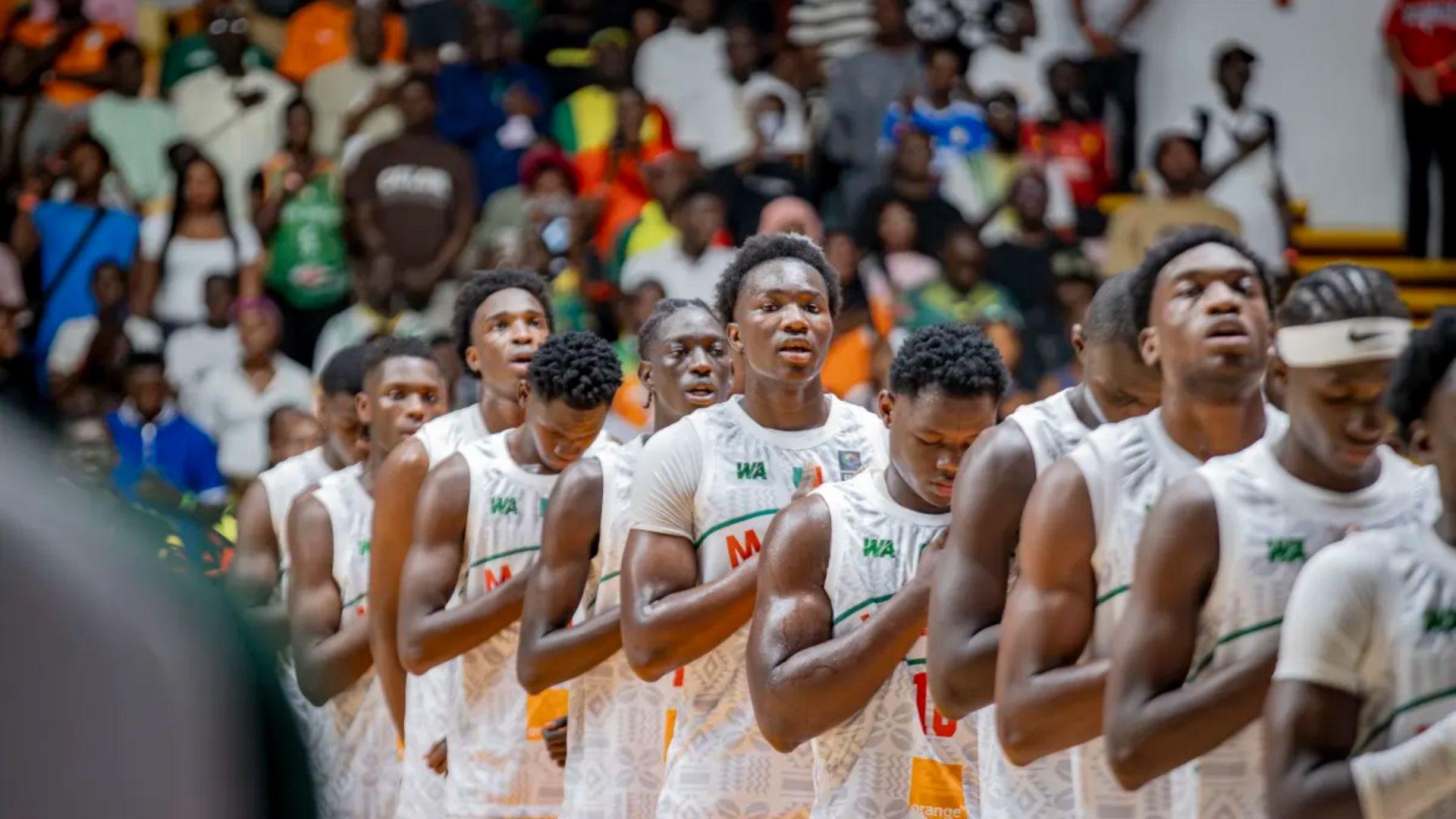
Group D took shape in Luanda as Mali and Angola booked Second Round tickets, while Egypt and Uganda stayed alive, leaving the reigning African champions and AfroBasket silver medalists firmly in focus for upcoming battles.
Last Updated on
July 3, 2026
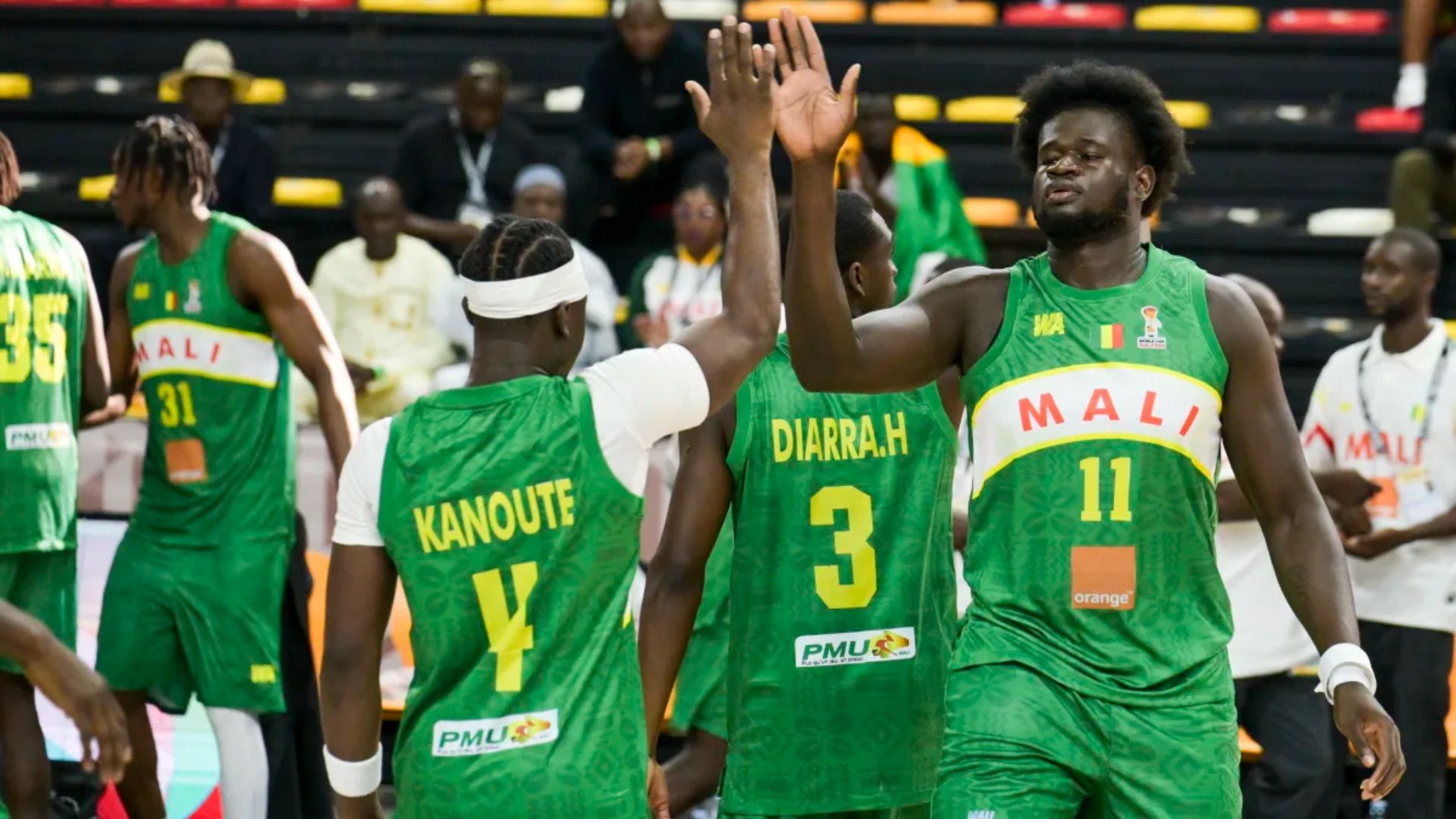
Group D has found its first answers. After four games played, Mali and Angola have secured their places in the Second Round of the FIBA Basketball World Cup 2027 African Qualifiers, while Egypt and Uganda remain in contention with two games still to play.
The picture is now clearer, but not yet complete. Mali lead the group with a perfect 4-0 record and 8 points. Angola, playing at home in Luanda, follow at 3-1 with 7 points. Egypt sits third at 1-3 with 5 points, while Uganda are still looking for their first win at 0-4, they remain mathematically in the race for the next phase.
With 8 of the 12 games already played in the group, the top two have done what was required. Mali have been the most consistent team so far, extending their winning run to four games. Angola, the reigning AfroBasket champions, responded strongly in front of their home crowd and confirmed their status as one of the teams to watch in this campaign.
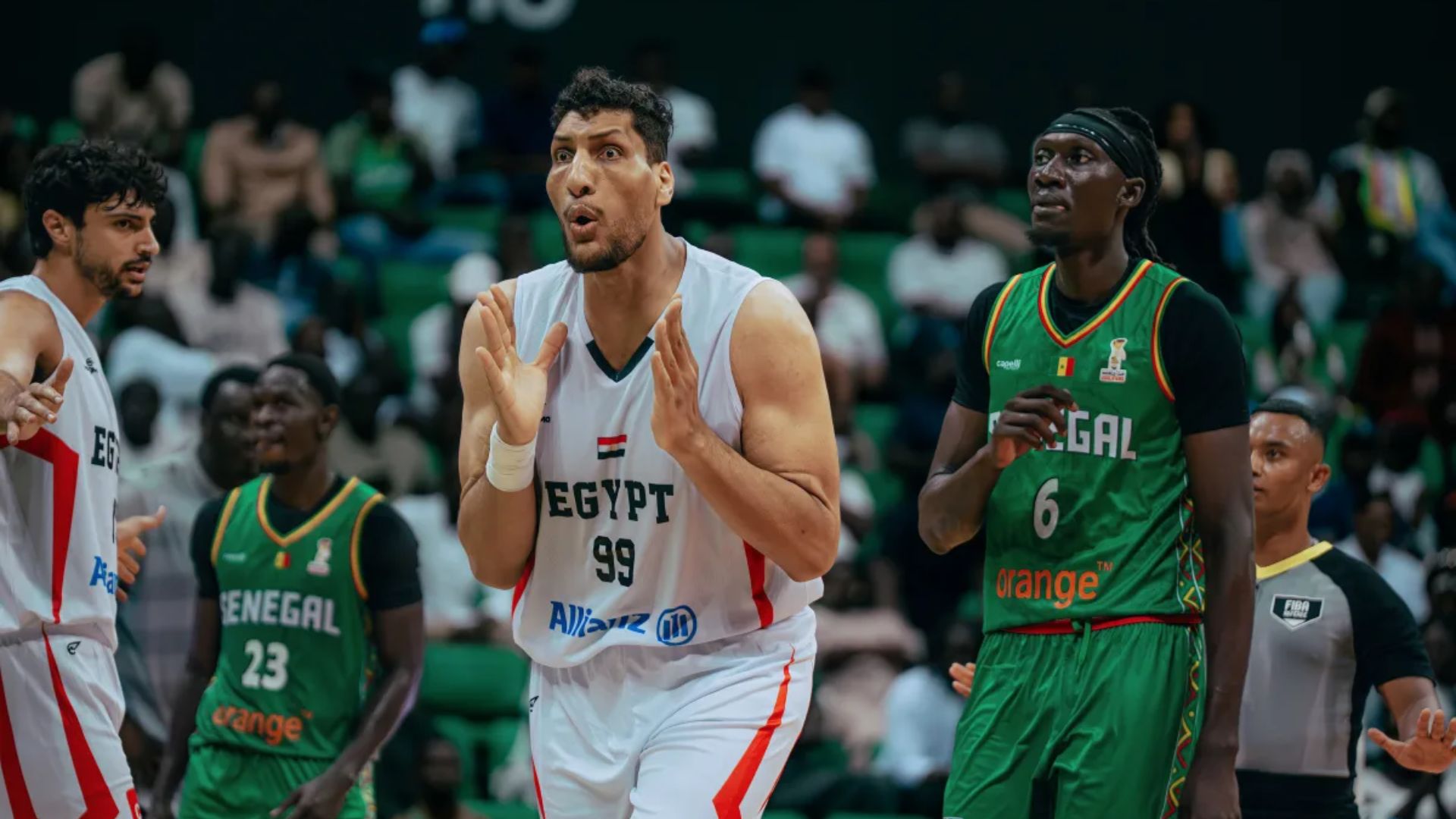
For Egypt and Uganda, the equation is more complicated. Egypt are still third, helped by their earlier win in the group and a positive game-points differential of +11. Uganda have struggled, with four defeats and a -105 differential, but they are not out of contention. Their next game will be a major test, as they are scheduled to face leaders Mali. Meanwhile, Egypt will face Angola in a game that could have a major impact on the final shape of the group.
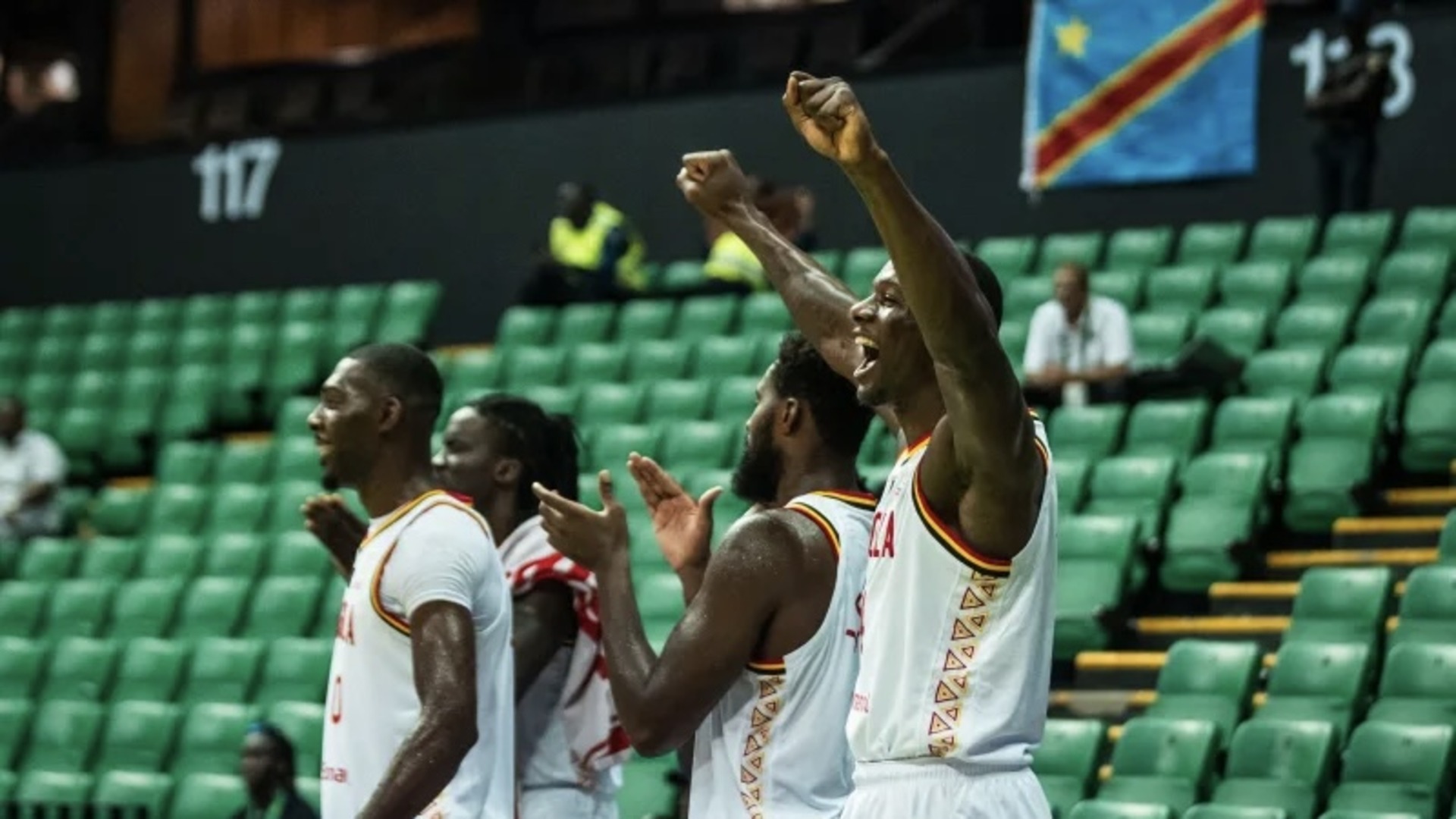
Angola’s qualification came with authority. The reigning African champions rolled past Uganda 95-62 at the Pavilhao Multiusos de Luanda, turning what was initially a competitive contest into a one-sided statement. Uganda briefly threatened to change the mood late in the second quarter, taking a 35-33 lead after Nike Sibande’s free throws. But that was as good as it got for the East Africans.
From there, Angola produced the decisive sequence of the night: a 20-0 run stretching across halftime. In the space of a few minutes, a two-point deficit became a commanding 53-35 lead. Uganda missed shots, turned the ball over, and never recovered. Angola used their defensive pressure, depth and transition play to break the game open.
Selton Miguel was central to Angola’s control. He finished with 17 points, 6 assists and 2 steals, while posting a game-best +31 plus-minus. Most importantly, he played with remarkable control, committing neither a turnover nor a foul. Bruno Fernando added the inside power, contributing 14 points, 6 rebounds, 2 steals and 3 blocks in just over 20 minutes. Gerson Goncalves also gave Angola balance with 15 points and 6 assists, shooting efficiently from the field and beyond the arc.
Uganda had moments, especially in the first half, but could not sustain them. Leornard Musiime led the team with 17 points and 7 rebounds, yet his 9 turnovers reflected the pressure Angola applied throughout the game. Uganda’s best run came in the second quarter, when they briefly moved in front, but once Angola settled into rhythm, the game moved sharply away from them.
For Angola, this was more than a home win. It was the kind of performance expected from the reigning AfroBasket champions. After four games, they have scored 347 points, the highest total in the group, and their +65 differential is also the best in Group D. Their average of 86.8 points per game shows their offensive strength, while their 70.5 points allowed per game underlines the defensive base that still makes them dangerous.
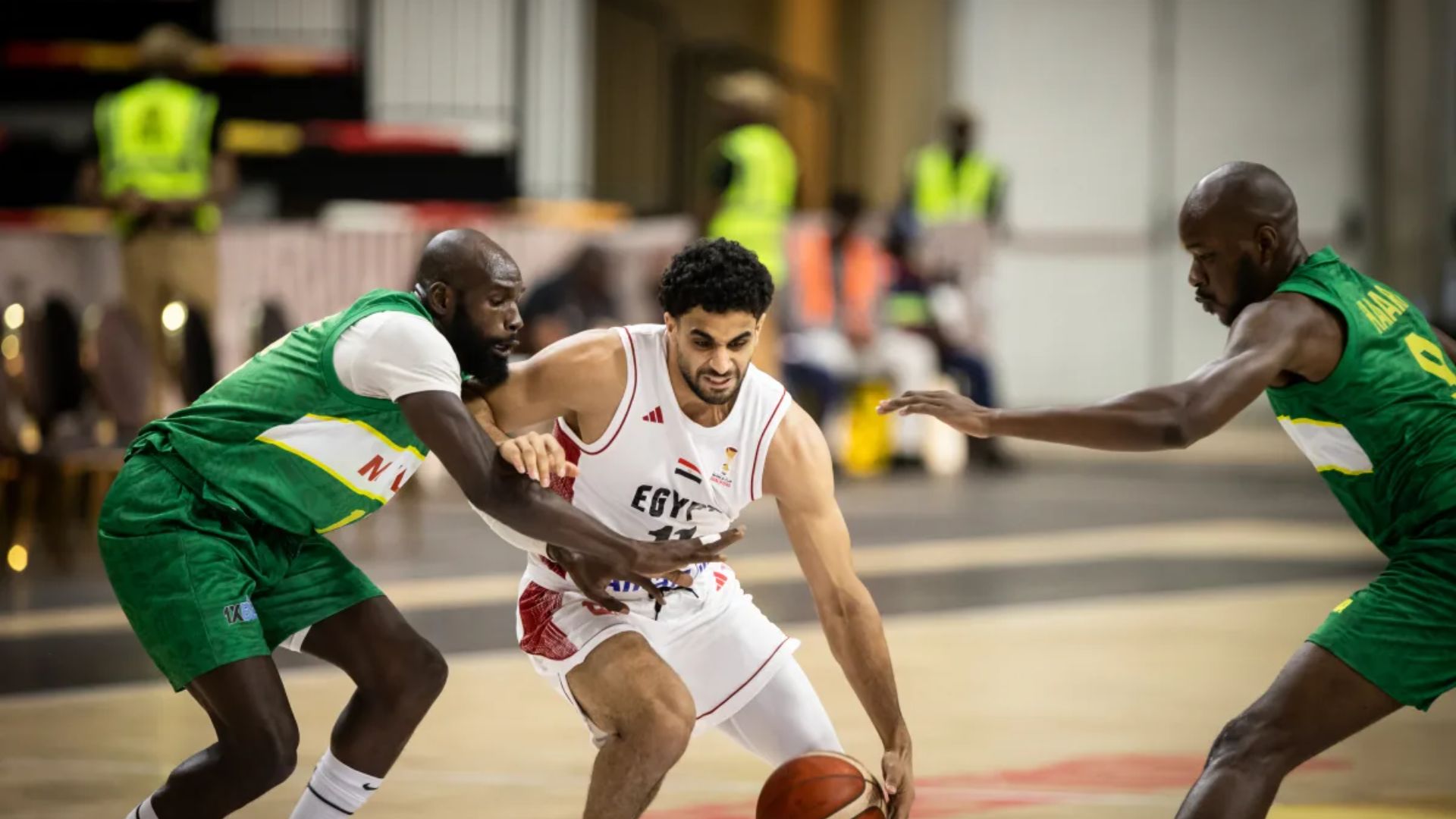
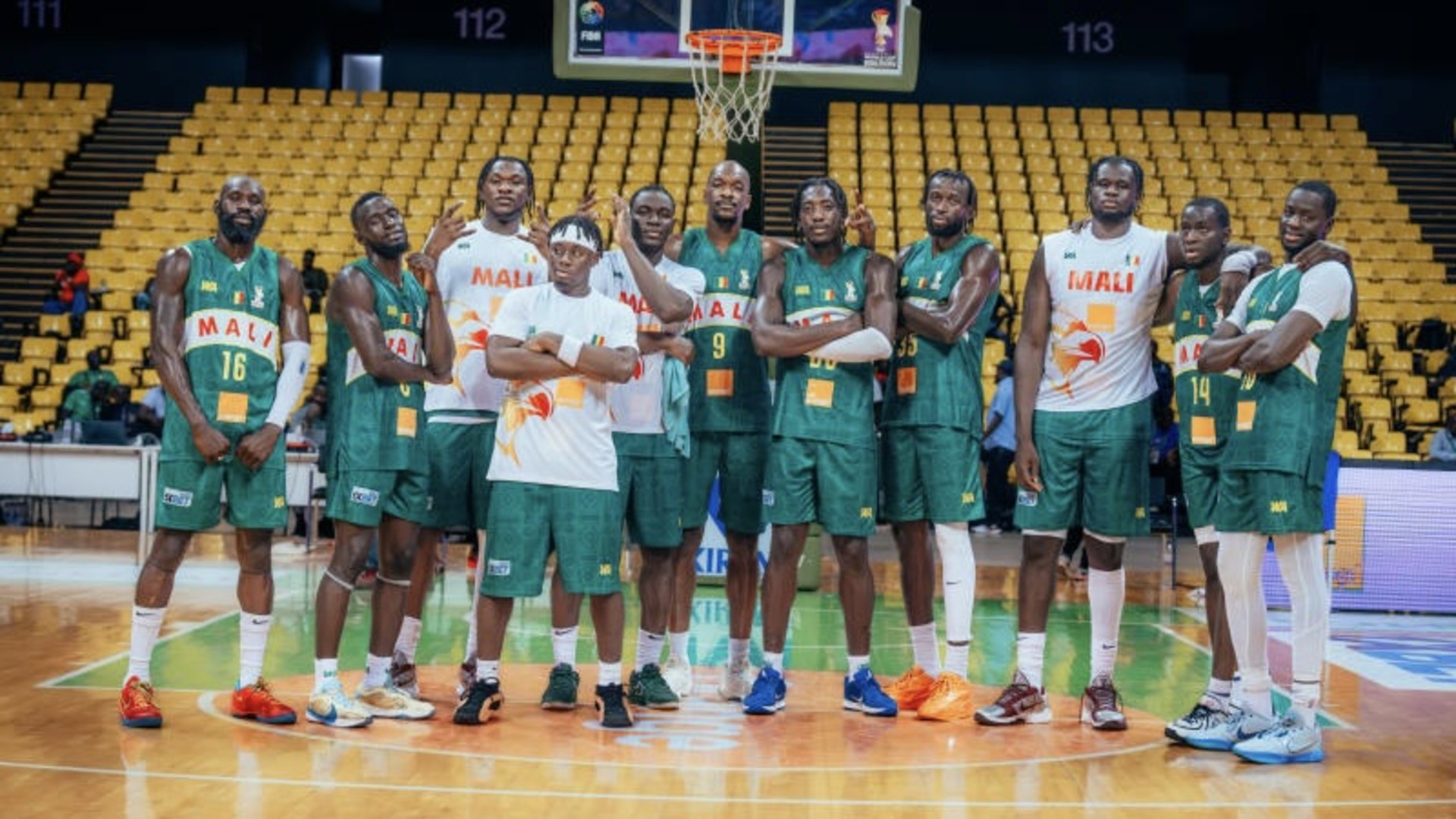
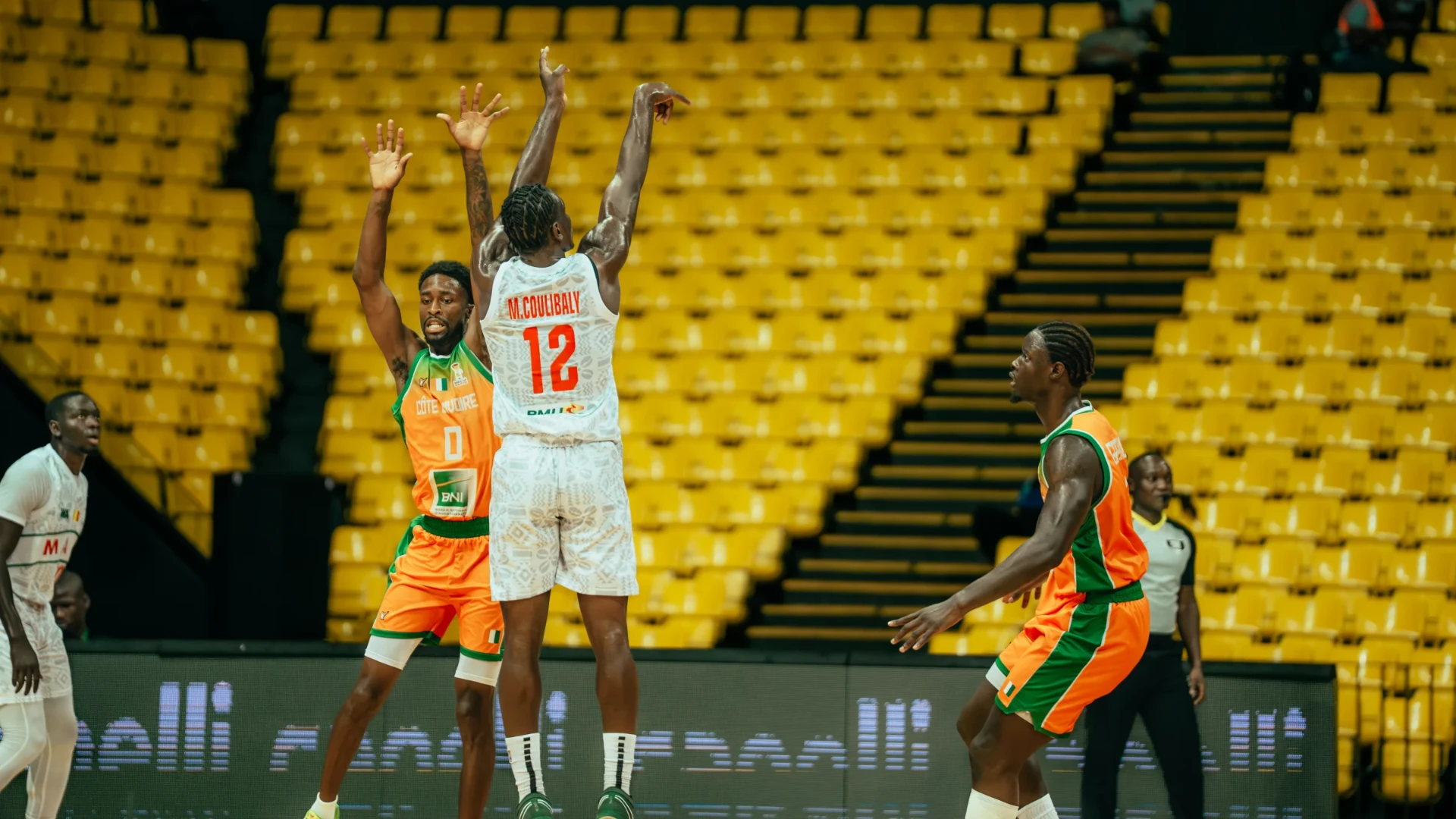
Mali, however, remain the leaders. The reigning AfroBasket silver medalists continued their perfect run with a 78-70 win over Egypt, a result that secured their own qualification and kept them alone at the top of the standings. Mali have not been as explosive offensively as Angola, but they have been steady, disciplined and efficient enough to win all four of their games.
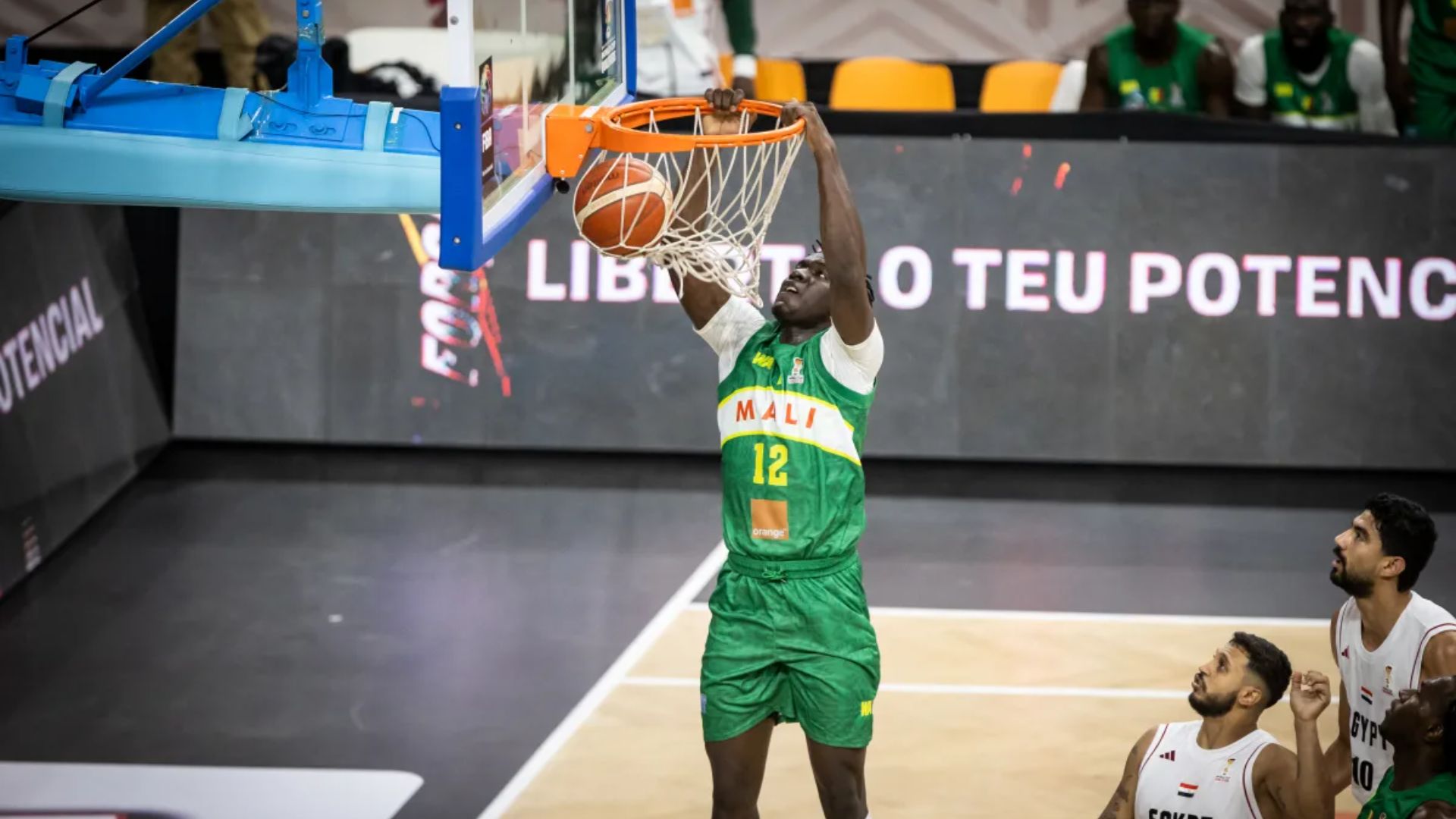
The headline of the night was Hassan Diarra. Making his Mali debut, the two-time NCAA champion with UConn immediately gave the team another dimension. Coming off the bench, he scored 15 points, handed out 6 assists and recorded the team’s highest efficiency rating at 19 in just 24:15 minutes. His 3-for-3 shooting from three-point range was important in a game where Mali connected on 12 of their 27 attempts from deep.
Diarra’s arrival gives Mali another ball-handler and creator alongside Siriman Kanoute. That matters because Mali already entered this window with confidence after a 3-0 start in the first round. Now, with Diarra integrated into the group, they look even deeper. His debut did not just help Mali beat Egypt, it strengthened the idea that the AfroBasket silver medalists have the tools to carry their momentum into the Second Round.
Egypt, despite the defeat, are not done. Their 1-3 record leaves them under pressure, but their position remains better than Uganda’s. Their next meeting with Angola could be decisive, especially if they can improve their execution and avoid giving up damaging runs.
Group D has two qualified teams, two teams still fighting, and two more game days to define the final picture. Mali have set the pace. Angola have answered like champions. Egypt and Uganda now have little margin for error.
[Photography/Imagery : Courtesy of FIBA]

.webp)